China has strategically positioned itself amidst the ongoing crisis in the Strait of Hormuz, which is a crucial maritime route for global oil and gas shipments. In response to the escalating tensions in this region, China is reportedly developing a formidable maritime presence, often referred to as a “maritime giant.” This initiative seems aimed at securing its energy supply chains and enhancing its influence in international waters.
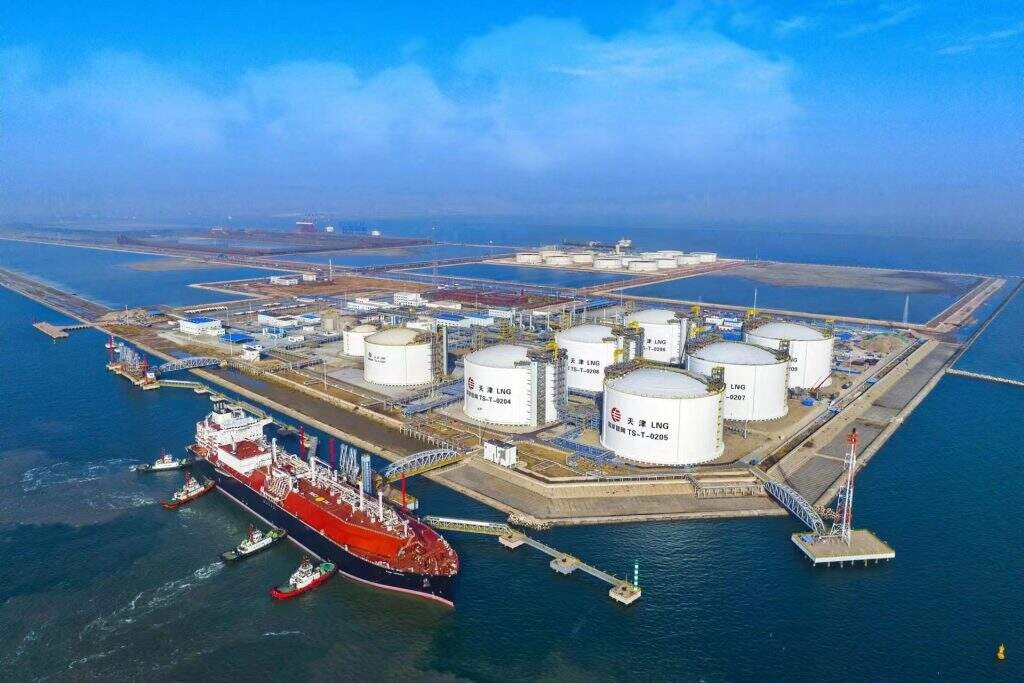
The Strait of Hormuz is vital for the transport of liquefied natural gas (LNG) and oil, with a significant percentage of the world’s petroleum passing through this narrow passage. The increasing instability and threats to shipping routes have raised concerns among nations heavily reliant on these energy supplies. China’s move to bolster its naval capabilities could provide much-needed relief during the ongoing LNG crisis, as it may help ensure the safe passage of energy supplies through this strategic chokepoint.
By expanding its maritime capabilities, China not only aims to safeguard its energy interests but also to assert its presence in a region that has historically been dominated by Western powers. This development could lead to a shift in the balance of power in the region and might influence global energy markets. As China continues to navigate these complex geopolitical waters, the implications of its strategic maneuvers will likely resonate beyond the immediate crisis, affecting international relations and energy security worldwide.