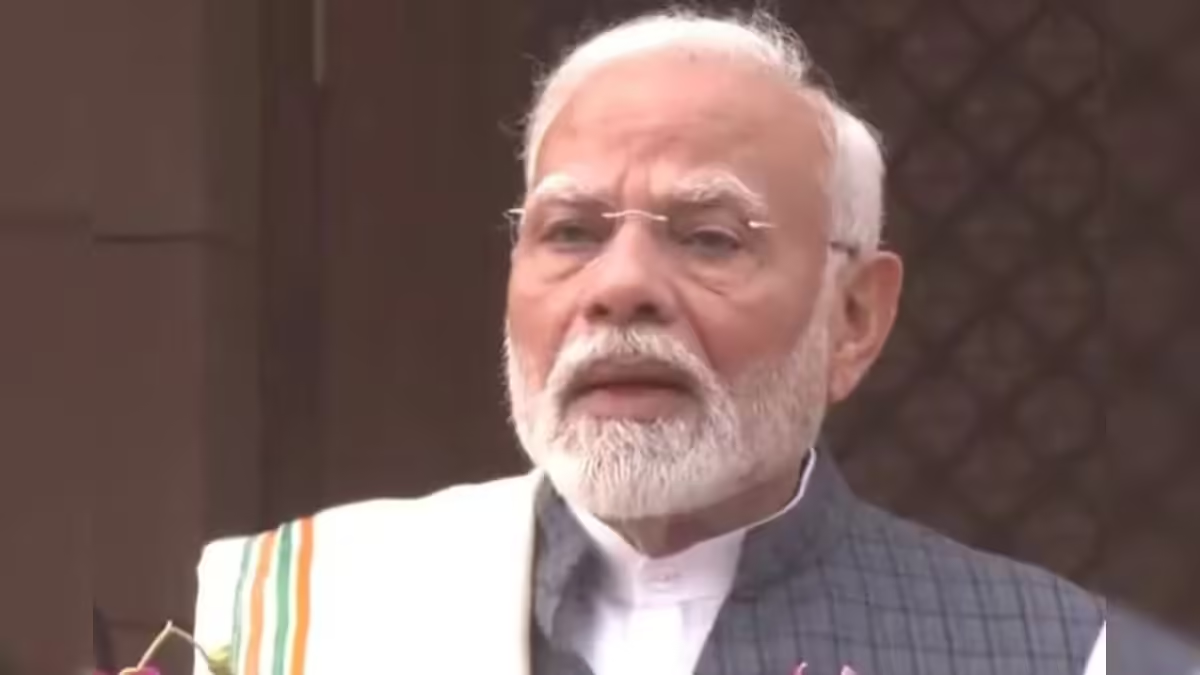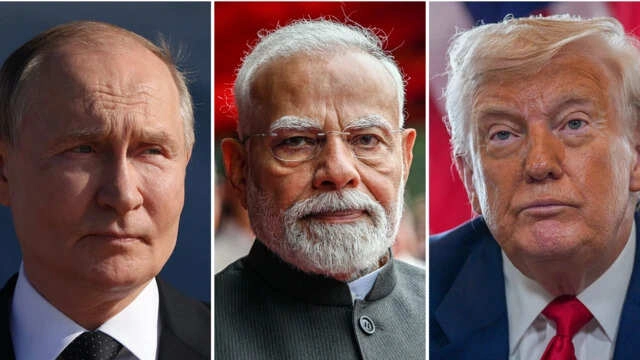
Donald Trump has made a striking claim regarding India’s oil purchases, suggesting that the country is shifting its focus from Iran to Venezuela for its oil imports. This assertion has raised eyebrows and sparked discussions about the geopolitical implications of such a move. In a video statement, Trump emphasized that India’s decision to buy oil from Venezuela signifies a significant change in its foreign policy and economic strategy.
The context of this claim lies in the ongoing tensions between the United States and Iran, particularly concerning sanctions and trade restrictions. For a long time, India has been one of the largest importers of Iranian oil, but U.S. sanctions have made it increasingly difficult for countries to engage in trade with Iran. If India indeed turns to Venezuela for its oil needs, it could reflect a broader shift in alliances and trade relationships in the region.
Moreover, this potential deal with Venezuela could open up new avenues for India in terms of energy security and diversification of its oil sources. However, it also raises questions about the implications of such a move on India’s relations with the United States, especially considering Washington’s stance on Venezuela and its ongoing political crisis. As the global energy landscape continues to evolve, the choices made by countries like India will undoubtedly have far-reaching consequences not only for their economies but also for international relations.
In conclusion, Trump’s statements highlight the complexities of global oil trade and the intricate web of geopolitical relationships that influence such decisions. Whether India has indeed finalized a deal with Venezuela remains to be seen, but the discussions surrounding this potential shift are indicative of the changing dynamics in energy procurement and diplomacy. As countries navigate these challenges, the ramifications of their choices will shape the future of international energy relations.