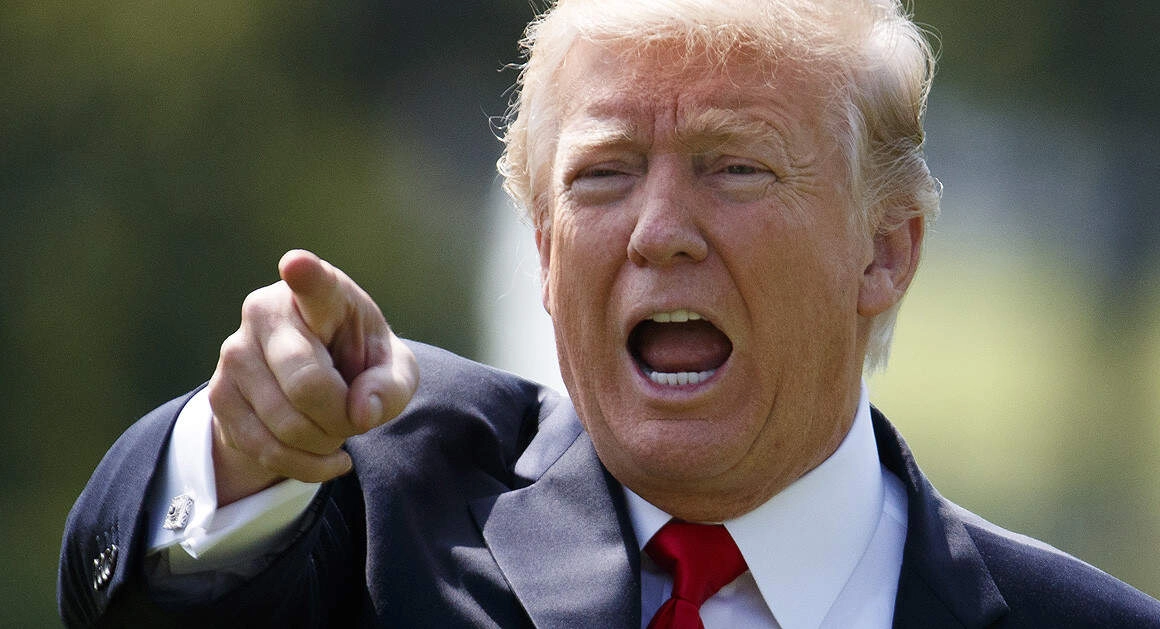
Tensions have escalated regarding control over the Strait of Hormuz, a vital waterway for global oil transportation. Former U.S. President Donald Trump recently made headlines with his assertive remarks concerning the geopolitical dynamics in the region, particularly in relation to Oman. He emphasized that if Oman does not comply with U.S. interests and directives, the consequences could be severe, suggesting a willingness to take drastic measures.
The Strait of Hormuz is a critical chokepoint through which a significant percentage of the world’s oil supply passes. Any disruption in this area can have far-reaching implications for global markets and security. Trump’s comments highlight the ongoing strategic importance of the Strait and the United States’ commitment to maintaining its influence in the region. By threatening military action, he signals a readiness to confront nations that might challenge U.S. authority or disrupt the flow of oil.
This situation reflects the broader complexities of Middle Eastern geopolitics, where alliances and rivalries can shift rapidly. The U.S. has historically played a dominant role in the region, often using military presence as a deterrent against potential threats to its interests and those of its allies. However, such statements from Trump also raise questions about the potential for escalation and the consequences of aggressive posturing in an already volatile area. As tensions mount, the international community watches closely, aware that any misstep could lead to significant conflict.