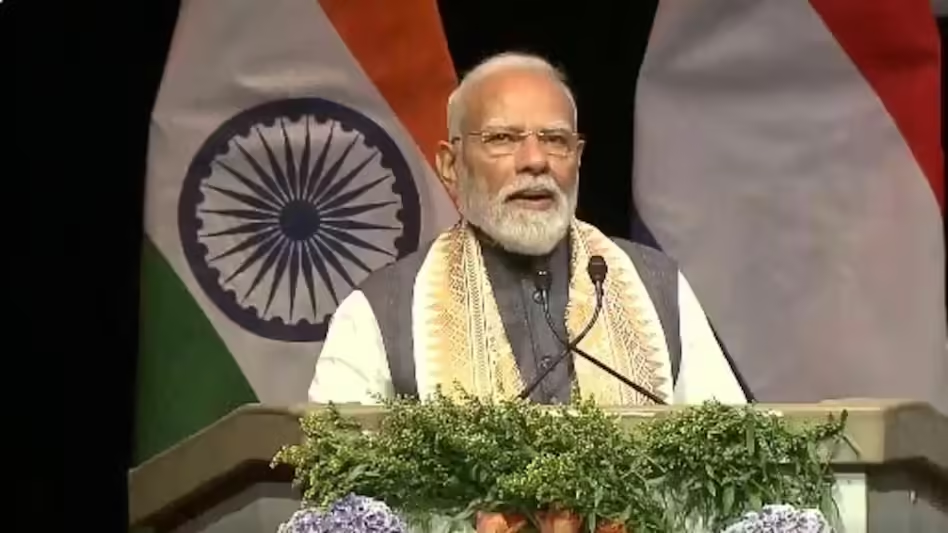
During a recent statement in the Netherlands, Prime Minister Narendra Modi emphasized that the current decade is characterized by disasters and crises. He warned that if the global situation does not improve, the repercussions could be felt for decades to come. Modi’s remarks highlight the urgent need for international cooperation and effective strategies to address the growing challenges posed by climate change, natural disasters, and other environmental issues.
The Prime Minister pointed out that the world is facing unprecedented challenges that threaten not only economies but also the very fabric of societies. He urged nations to come together to tackle these issues proactively, stressing that inaction could lead to long-term consequences that would burden future generations. Modi’s call for unity reflects a growing concern among world leaders regarding the escalating frequency and intensity of natural disasters, which are often linked to climate change.
Moreover, Modi’s address serves as a reminder that countries must prioritize sustainable development and resilience against disasters. By investing in infrastructure, renewable energy, and disaster preparedness, nations can mitigate the impacts of future crises. The Prime Minister’s comments resonate with a global audience, as they underscore a shared responsibility to ensure a safer and more sustainable future for all. Ultimately, if the international community does not take decisive action now, the cost could be significant, potentially affecting economies, ecosystems, and human lives for generations to come.