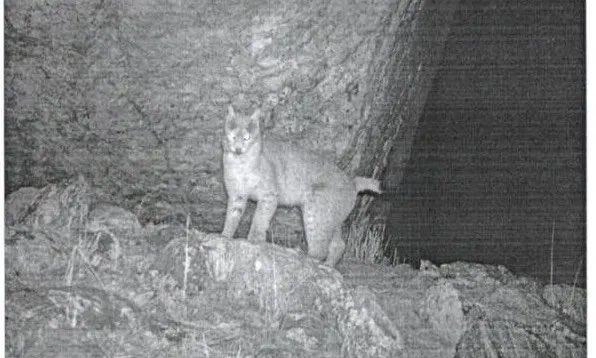
Sikkim has recently made headlines with the sighting of the rare Eurasian lynx in the Eastern Himalayas, a remarkable event that highlights the region’s rich biodiversity. The Eurasian lynx, known for its distinctive tufted ears and short tail, is a medium-sized wild cat that inhabits a variety of forested and mountainous terrains across Europe and Asia. This elusive feline is not commonly spotted, making its recent appearance in Sikkim a significant moment for conservationists and wildlife enthusiasts alike.
The sighting was reported by local forest officials who noted the lynx’s presence in the higher altitudes of the Eastern Himalayas, an area known for its diverse ecosystems and unique wildlife species. This region serves as a crucial habitat for various flora and fauna, and the presence of the Eurasian lynx indicates a healthy and balanced ecosystem. Conservationists believe that sightings like this underscore the importance of preserving natural habitats and implementing effective wildlife protection measures.
The Eurasian lynx plays a vital role in maintaining ecological balance as a top predator, helping to regulate prey populations and thus promoting a diverse and thriving ecosystem. Efforts to protect this species are essential, particularly given the threats posed by habitat loss, poaching, and climate change. The Sikkim government, along with various wildlife organizations, is working to enhance conservation initiatives, including habitat restoration and community engagement programs, to ensure the survival of this majestic species.
As the region continues to attract attention for its natural beauty and rich biodiversity, the sighting of the Eurasian lynx serves as a reminder of the need for ongoing conservation efforts. It is hoped that this rare sighting will inspire greater awareness and appreciation for wildlife in Sikkim and the surrounding areas. With continued efforts, there is hope that the Eurasian lynx and other endangered species will thrive in their natural habitats, preserving the ecological integrity of the Eastern Himalayas for future generations.