
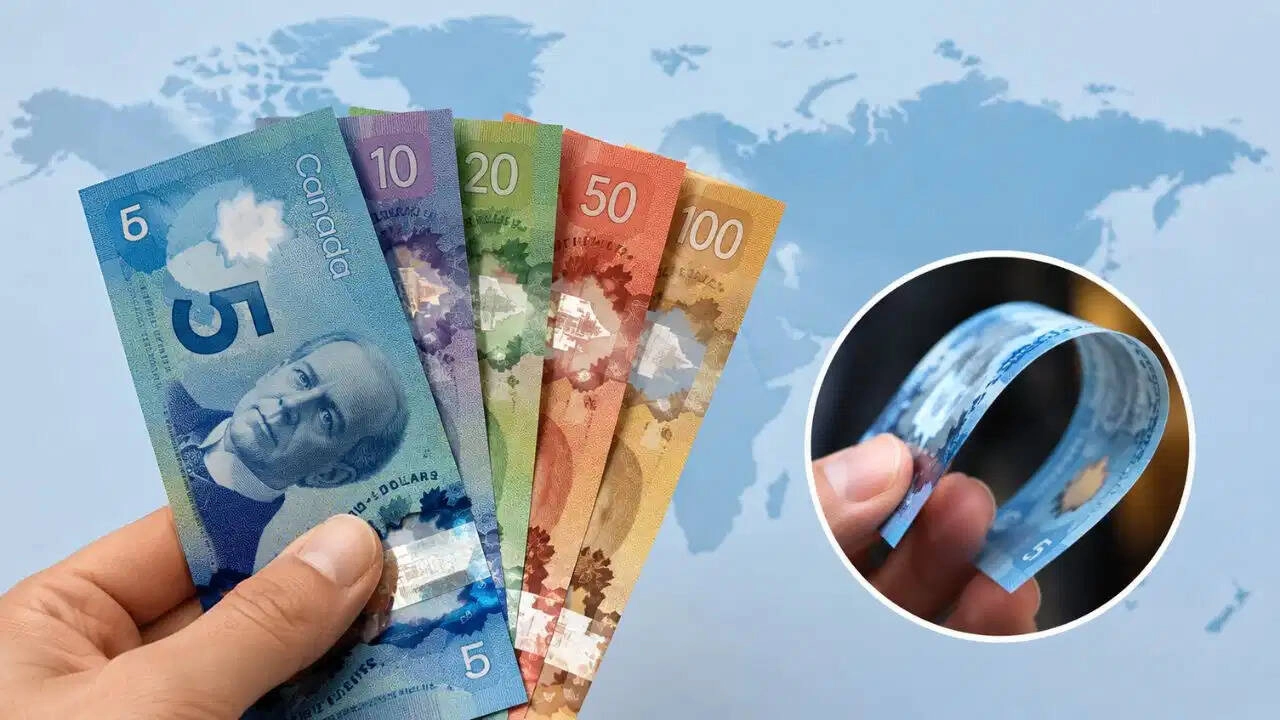
Plastic currency, or polymer banknotes, has gained traction in various countries around the world due to their durability and security features. These notes are made from a type of plastic that offers numerous advantages over traditional paper currency, such as increased resistance to wear and tear, water, and dirt. The journey of plastic currency began in Australia, which was the first country to introduce polymer notes in 1988. The Australian government aimed to create a more secure and long-lasting form of currency, and this innovation paved the way for other nations to follow suit.
Following Australia’s lead, several countries adopted polymer banknotes, including Canada, the United Kingdom, and New Zealand. Each of these countries has implemented unique designs and security features that help prevent counterfeiting. For instance, the polymer notes often include transparent windows, holograms, and intricate designs that are difficult to replicate. As a result, polymer currency has not only improved the longevity of banknotes but also enhanced the overall trust in the currency system.
Today, many nations are recognizing the benefits of switching to plastic currency. Not only does it reduce the costs associated with printing and replacing paper notes, but it also contributes to environmental sustainability by being recyclable. Countries in Africa, such as Nigeria and Malawi, have also begun experimenting with polymer notes, illustrating the global reach of this innovation. As economies continue to evolve, the trend towards plastic currency seems likely to expand, with more countries considering its implementation for the future of their monetary systems.


