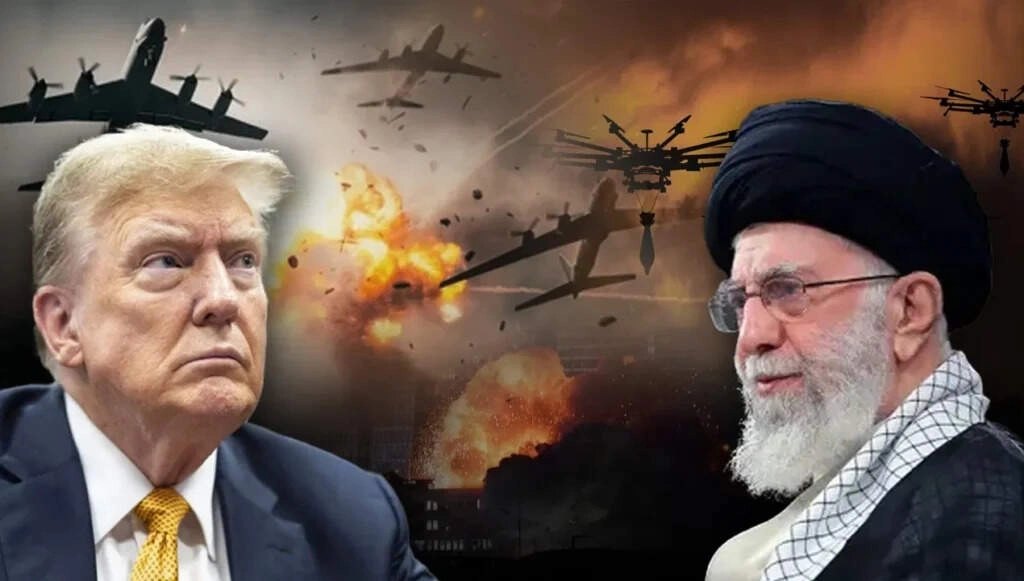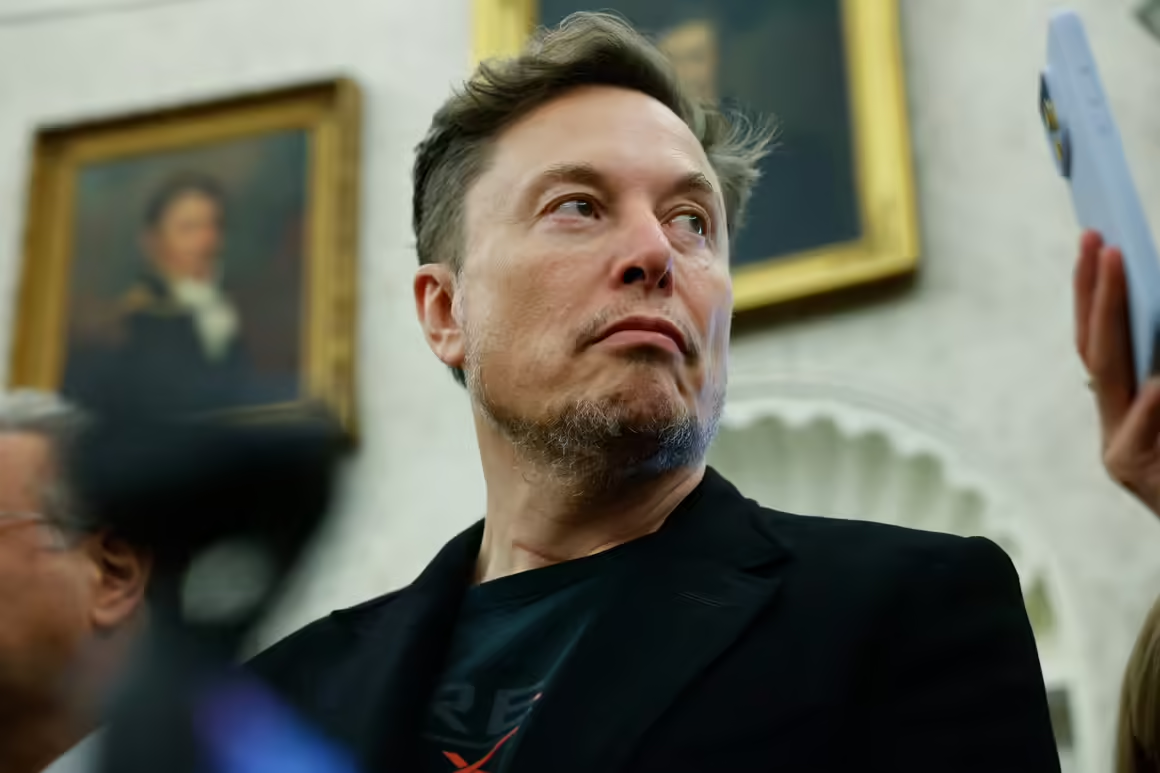
Iran has been reportedly preparing a significant plan targeting the companies of Elon Musk, which has raised concerns on an international scale. This move appears to be part of a broader geopolitical strategy, possibly aimed at asserting Iran’s influence and responding to perceived threats from Western nations. The implications of such a plan could be far-reaching, especially considering Elon Musk’s companies, including Tesla and SpaceX, are at the forefront of technological innovation and have substantial global impacts.
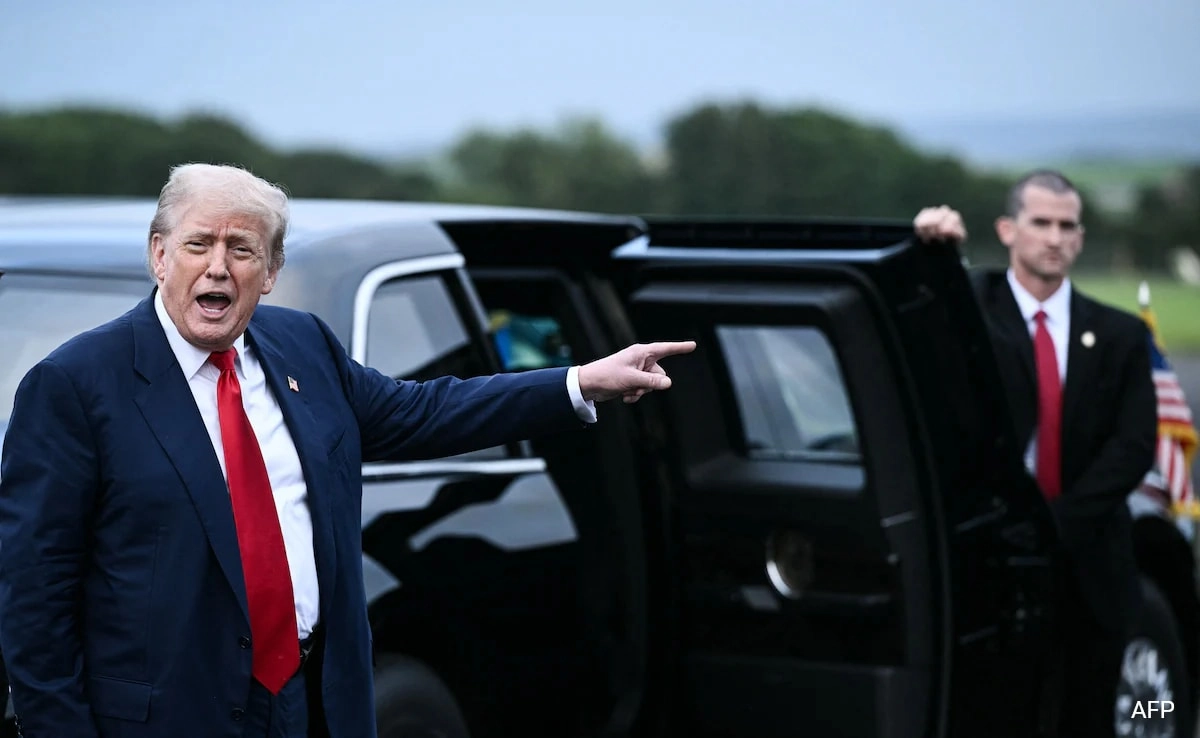
The potential for cyberattacks or other forms of disruption against Musk’s enterprises could lead to heightened tensions not only between Iran and the United States but also among their respective allies. Given the strategic importance of Musk’s companies in various sectors, including space exploration and electric vehicles, any aggressive action from Iran could provoke a strong response from the U.S. government. This situation poses a dilemma for former President Donald Trump, who has historically taken a hardline stance against Iran during his administration.
Trump’s next move will be critical in determining how the U.S. reacts to this provocative plan. Will he support a robust defense strategy, or will he advocate for diplomatic engagement to de-escalate the situation? The stakes are high, as the actions taken in response to Iran’s intentions could set a precedent for future interactions between the U.S. and Iran, as well as influence the global business landscape. Moreover, Trump’s response could also have significant implications for his political future and the ongoing discourse around national security and international relations. As the situation unfolds, all eyes will be on Washington to see how the administration addresses this emerging threat.