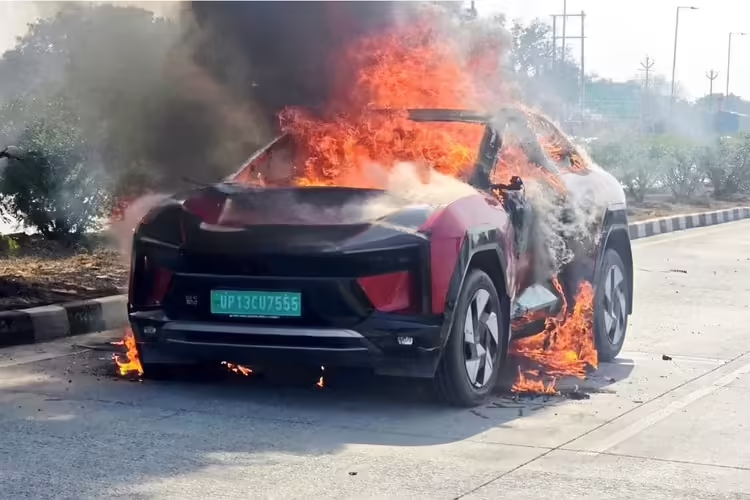
Electric versus petrol cars: Is there really a higher risk of fire in electric vehicles (EVs)? The truth may astonish you. As electric vehicles gain popularity worldwide, concerns about their safety, particularly regarding fire hazards, have become a common topic of discussion. Many people still associate EVs with a higher risk of fire due to incidents that have been reported in the media. However, it’s essential to delve deeper into the facts to understand the real risks involved.
When we compare the fire risks of electric cars and petrol vehicles, it is crucial to consider the underlying causes of such incidents. While it is true that electric vehicles can catch fire, studies indicate that the rate of fires in EVs is lower than that of traditional petrol cars. The primary reason for this is the nature of the batteries used in electric vehicles. Lithium-ion batteries, which power most EVs, are equipped with numerous safety features to prevent overheating and short-circuiting. Additionally, manufacturers continuously work on enhancing battery technology and safety standards to further mitigate these risks.
On the other hand, petrol cars have their own fire risks, primarily due to the highly flammable nature of gasoline. Fuel leaks, engine overheating, and electrical faults can all lead to dangerous situations in traditional vehicles. Statistics show that petrol cars are more likely to experience fires in accidents compared to electric cars. Therefore, while the fear surrounding electric vehicles may stem from a few high-profile incidents, a broader perspective reveals that petrol vehicles pose a more significant fire hazard overall.
In conclusion, while no vehicle is entirely risk-free, the data suggests that electric vehicles do not have a higher risk of catching fire compared to petrol cars. Awareness and understanding of these risks are essential for consumers as they make informed choices about their vehicles. As technology continues to evolve, both electric and petrol vehicles will likely see improvements in safety measures, but it is crucial to base our perceptions on facts rather than fear-driven narratives.