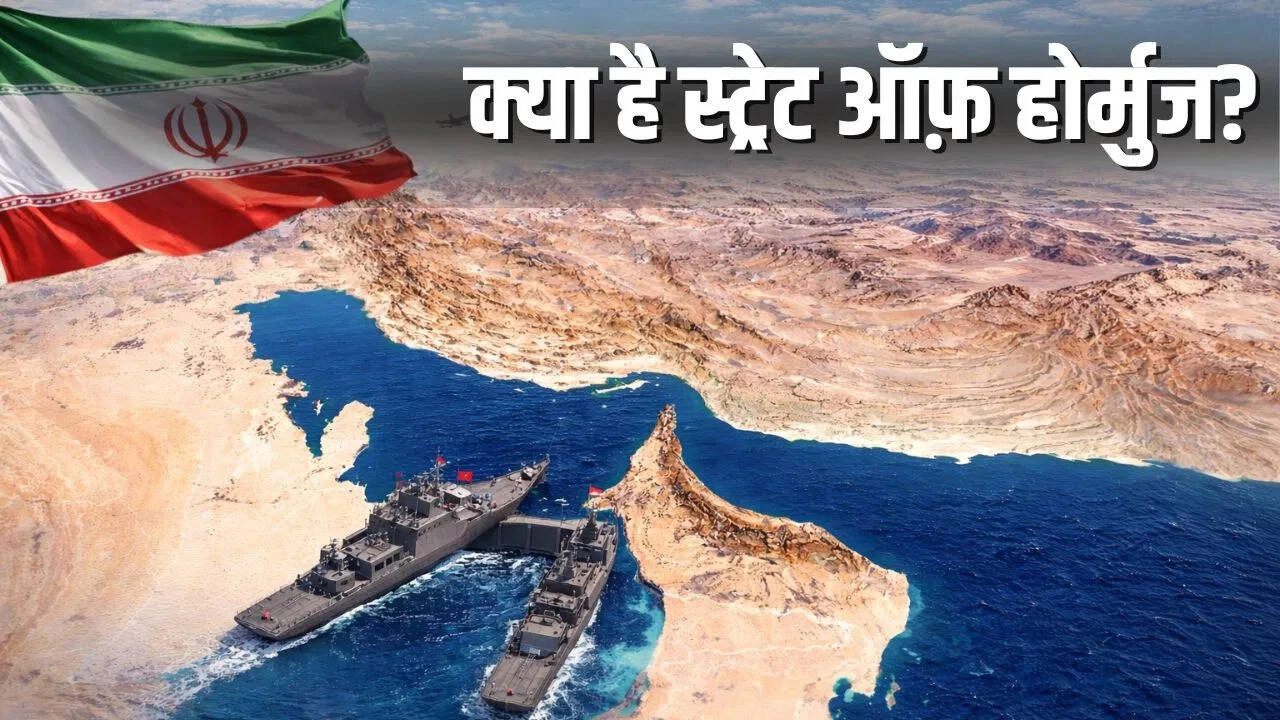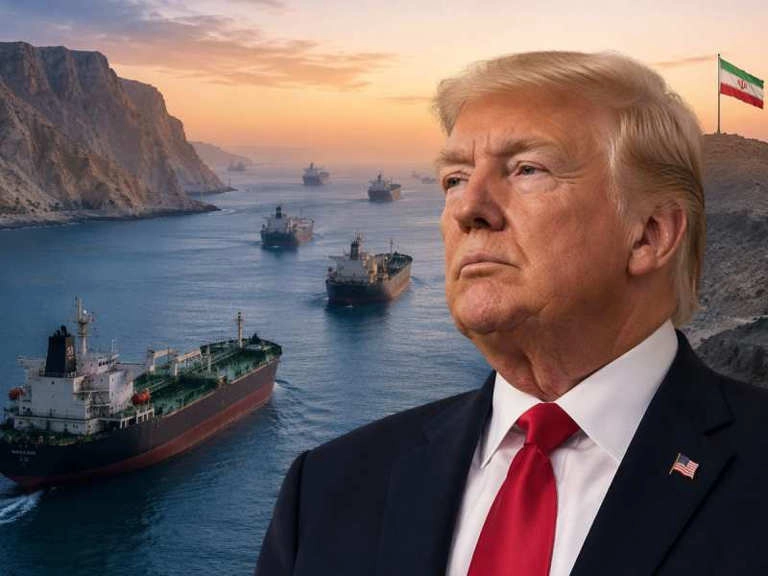
The recent seizure of an Iranian oil tanker by the United States has escalated tensions between the two nations, with Tehran expressing its outrage over the incident. Iranian officials have described the action as akin to “maritime piracy,” highlighting the serious implications of such actions on international shipping and trade. This incident is not just a simple case of piracy; it reflects the ongoing conflict and rivalry between Iran and the U.S., particularly concerning oil exports and sanctions that have heavily impacted Iran’s economy.
Iran’s response to the seizure has been swift and forceful, with government representatives condemning the U.S. actions as illegal and provocative. They argue that such acts undermine the principles of free navigation and international law. The Iranian government has threatened to retaliate, warning that it will take appropriate measures to protect its interests and ensure the safety of its vessels in international waters. This situation has alarmed many in the international community, as it raises concerns about potential escalations and conflicts in an already volatile region.
The seizure of the tanker is part of a larger narrative surrounding U.S. sanctions on Iran, which aim to limit its ability to sell oil and generate revenue. The Iranian economy has been significantly affected by these sanctions, leading to increased tensions and a sense of desperation within the Iranian leadership. In this context, the U.S. action is perceived not only as a direct attack on Iranian assets but also as a broader strategy to apply pressure on the Iranian government. As both sides continue to escalate their rhetoric, the potential for further conflict looms large, leaving many to wonder what the future holds for U.S.-Iran relations.