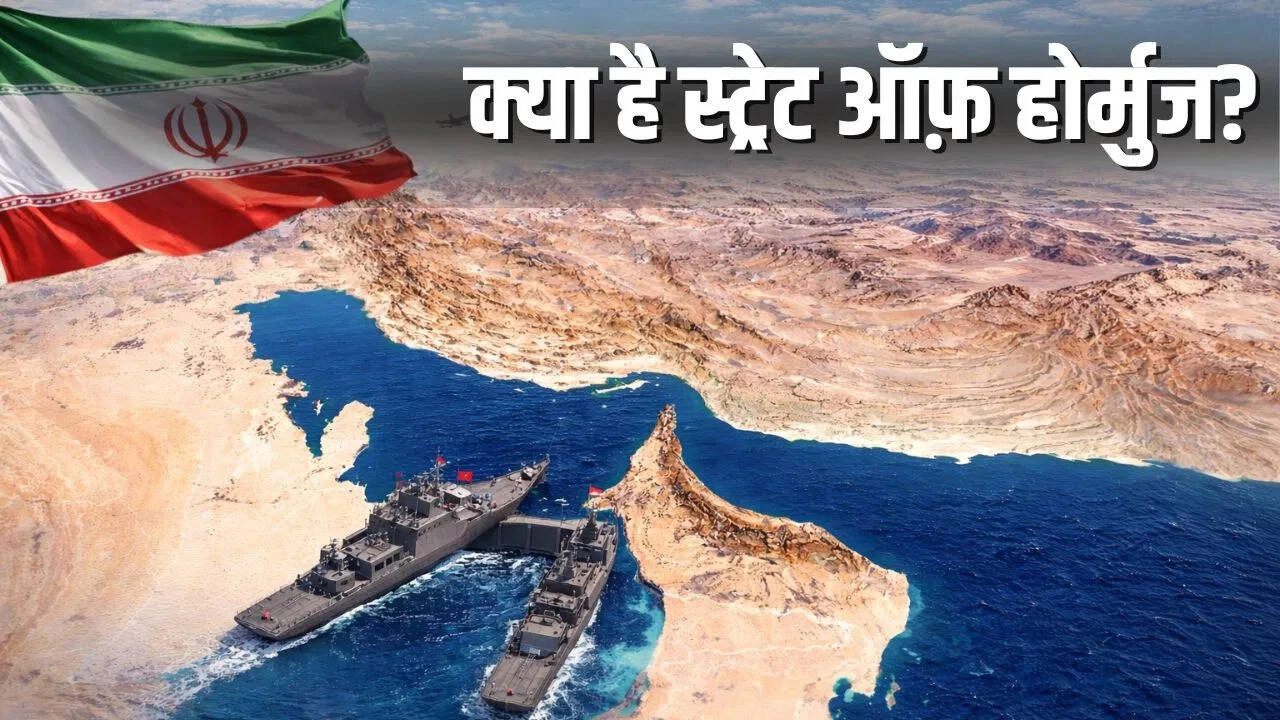
The Hormuz Strait has become a focal point of global attention, particularly in the context of rising tensions surrounding Iran and potential military conflicts. This narrow waterway, situated between Iran and Oman, serves as a critical passage for a significant portion of the world’s oil supply. In fact, it is estimated that nearly 20% of the total oil traded globally transits through this strait. As such, it plays an indispensable role in maintaining the stability of the global energy market.
Given its strategic importance, any disruption in the flow of oil through the Hormuz Strait can have far-reaching consequences for economies around the world. The region’s geopolitical dynamics are complex, with various nations vying for influence and control. The ongoing tensions between Iran and other countries, particularly the United States, have heightened concerns about the security of maritime routes in this area. In recent years, there have been incidents involving naval confrontations and threats to shipping, underscoring the precarious nature of this vital passage.
The potential for conflict in the region raises urgent questions about the future of oil supply and pricing. A military engagement in or near the Hormuz Strait could lead to significant disruptions, causing oil prices to spike and impacting global markets. Consequently, nations that depend heavily on oil imports are keenly aware of the situation and are actively monitoring developments. This delicate balance of power and the potential for conflict make the Hormuz Strait a critical point of focus for policymakers and analysts alike, as stability in this region is paramount for the continued flow of resources essential to the world’s economy.