The ongoing tensions between Iran and the United States have escalated dramatically, particularly around the strategic Hormuz Strait, a vital maritime route for global oil transportation. As both nations find themselves enmeshed in a complex web of conflicts, the threat of war looms larger than ever. The situation has been exacerbated by internal strife within the U.S. government and the Iranian regime, leading to a precarious standoff that could have far-reaching implications for international relations and global security.
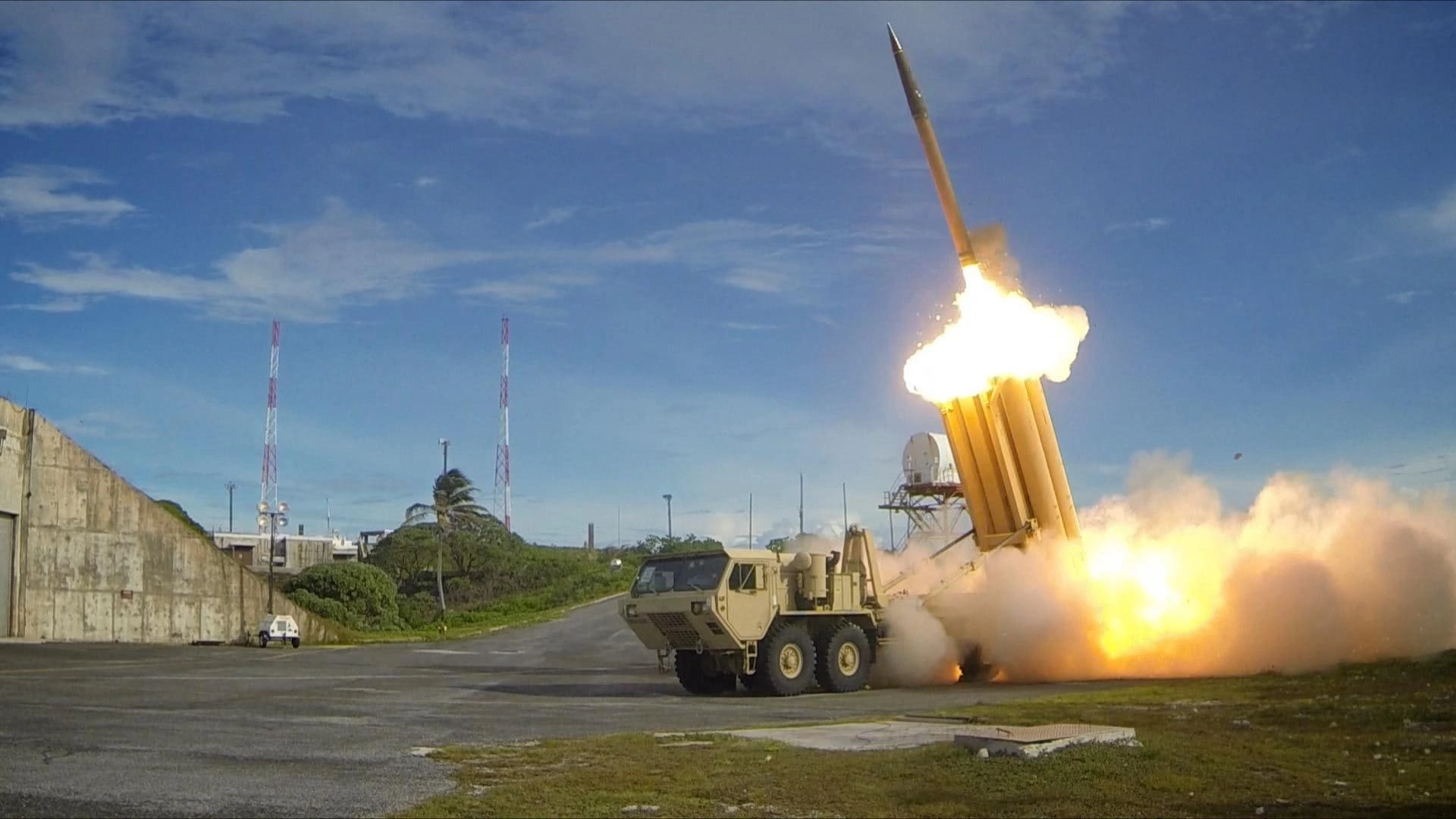
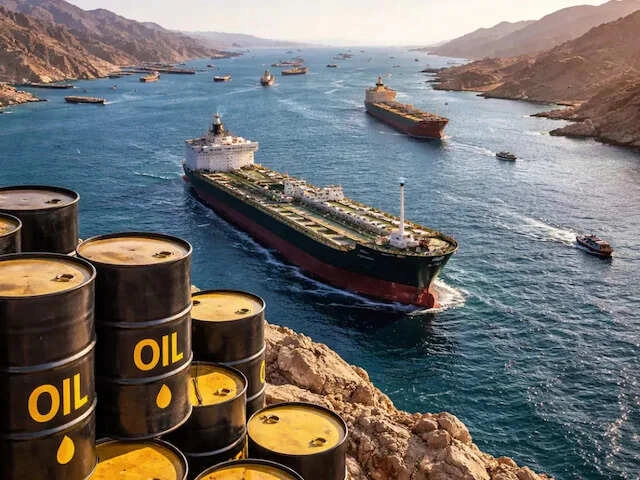
In recent weeks, military movements and aggressive rhetoric from both sides have heightened fears of an imminent confrontation. The Hormuz Strait, through which a significant portion of the world’s oil supply passes, has become a focal point for this rising tension. The U.S. has increased its naval presence in the region, while Iran has vowed to defend its territorial waters fiercely. This game of brinkmanship is not only dangerous for the two nations involved but also poses a significant risk to the stability of the entire region.
As the conflict intensifies, the repercussions could extend well beyond the Middle East. Global markets may feel the impact of disrupted oil supplies, leading to increased prices and economic instability worldwide. Additionally, the potential for military conflict could draw in other nations, further complicating an already volatile situation. The international community watches closely, as any miscalculation or aggressive move could ignite a larger conflict with devastating consequences.
In conclusion, the Iran-U.S. tensions, particularly in the context of the Hormuz Strait, represent a critical juncture in international relations. With both countries grappling with internal pressures and external threats, the risk of war poses a significant challenge not only for them but also for global peace and security. As the world holds its breath, the hope is for diplomatic solutions to prevail and avert a catastrophic escalation of hostilities.