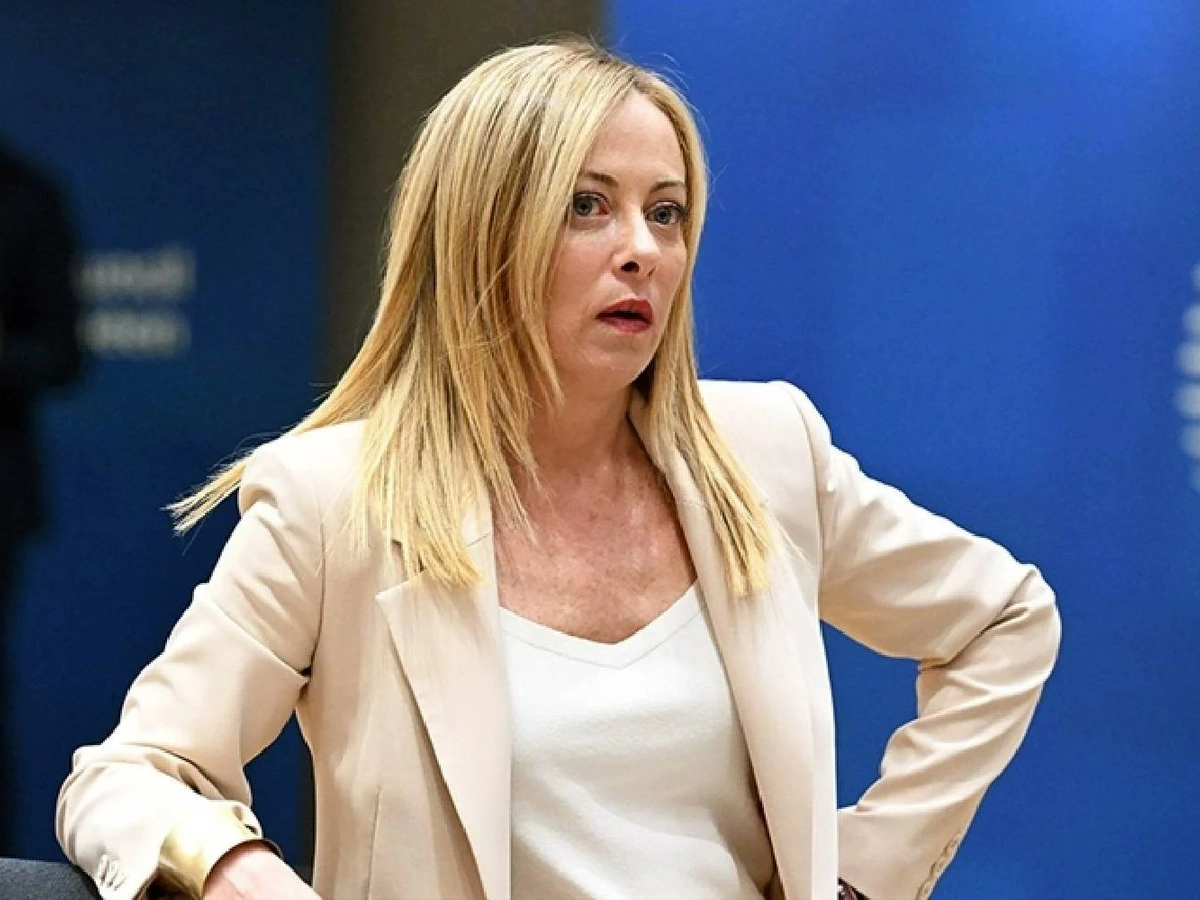
The rise of deepfake technology has ignited significant controversy, particularly highlighted by a recent incident involving Italy’s Prime Minister Giorgia Meloni. A fake image of her circulated widely, causing an uproar and raising critical questions about the implications of such technology in the political landscape. Meloni responded to the situation by emphasizing that deepfake manipulation is something that could happen to anyone, underscoring the pervasive threat that this technology poses not just to public figures but to society as a whole.
Deepfakes utilize artificial intelligence to create hyper-realistic alterations of video and audio content, making it increasingly difficult to distinguish between what is real and what is fabricated. This technology has the potential to harm reputations, influence elections, and sow discord among the populace. Meloni’s experience serves as a cautionary tale, illustrating how easily misinformation can spread and the devastating impact it can have on an individual’s credibility and authority.
In her statements, Meloni highlighted the urgent need for awareness and vigilance against such deceptive practices. She called for greater responsibility among tech companies and social media platforms to combat the spread of deepfakes and protect public discourse. The incident has sparked discussions about the ethical implications of deepfake technology and the necessity for regulatory measures to safeguard individuals from potential misuse. As deepfake technology continues to evolve, it is essential for societies to develop strategies to address the challenges it presents, ensuring that the integrity of information remains intact in an increasingly digital world.