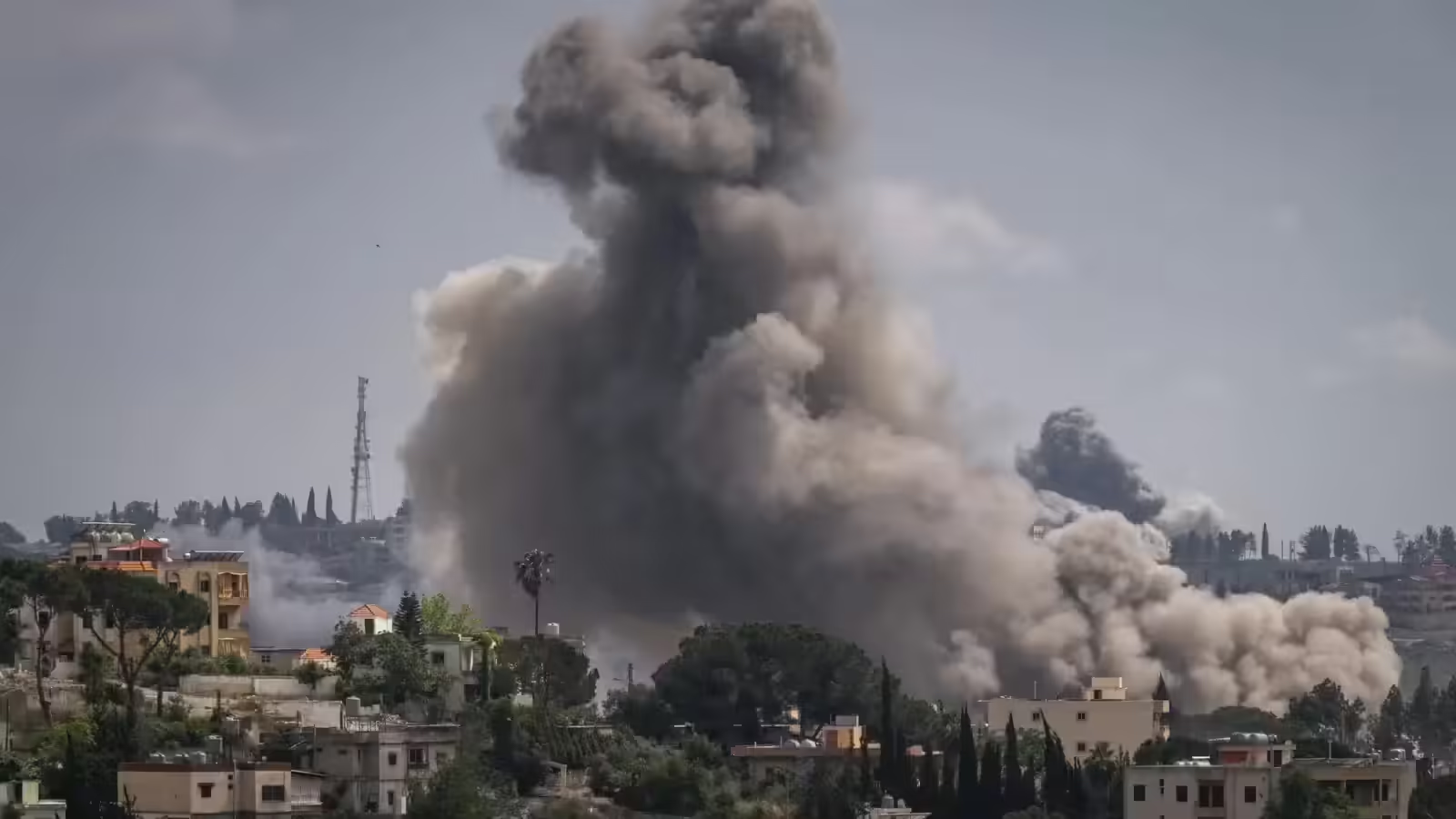
The conflict between Iran and the United States has taken a dangerous turn following missile attacks in Bahrain and Kuwait, reigniting fears of war in the region. The escalating tensions can be traced back to long-standing geopolitical rivalries and recent provocations. The missile strikes have not only heightened the sense of urgency but also raised alarm bells across the Middle East, as nations grapple with the implications of a potential military confrontation.
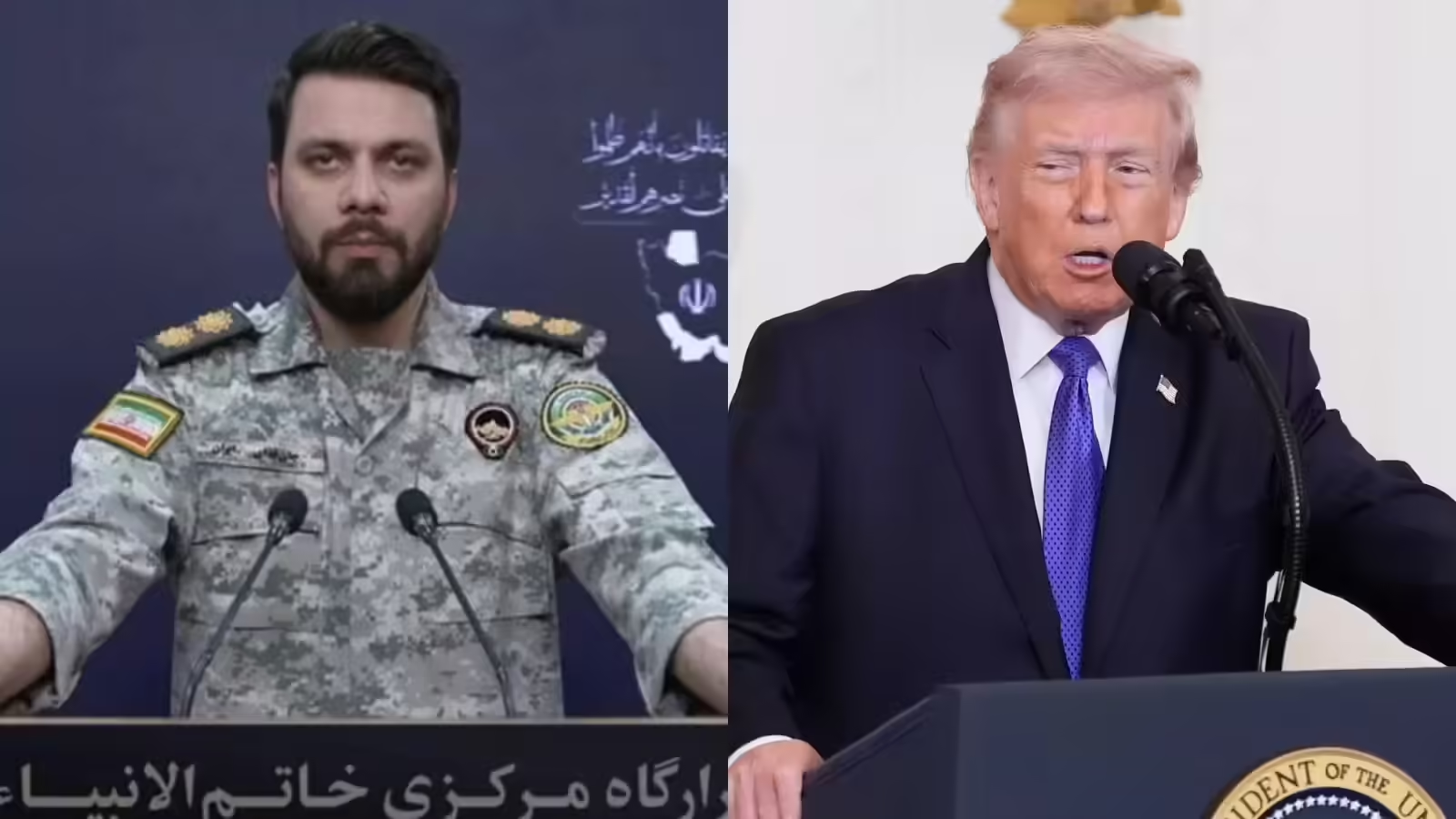
In the wake of these attacks, both Iran and the U.S. have engaged in a war of words, with leaders from both sides making statements that suggest a willingness to escalate the situation further. The involvement of Bahrain and Kuwait, key allies of the U.S. in the Gulf region, complicates matters further, as their security becomes intertwined with the actions of Iran. The situation is precarious, as any miscalculation could lead to a broader conflict that would destabilize the entire region.
The international community is watching closely, urging both sides to exercise restraint and seek diplomatic solutions. However, the history of hostilities and the deeply rooted animosities suggest that finding common ground may be a daunting task. As the fires of war flicker once again, the consequences of continued escalation could be dire, not just for the nations directly involved, but for global peace and stability as well. The coming days will be critical in determining whether diplomacy can prevail over military action, or if the region will be plunged into a new era of conflict.