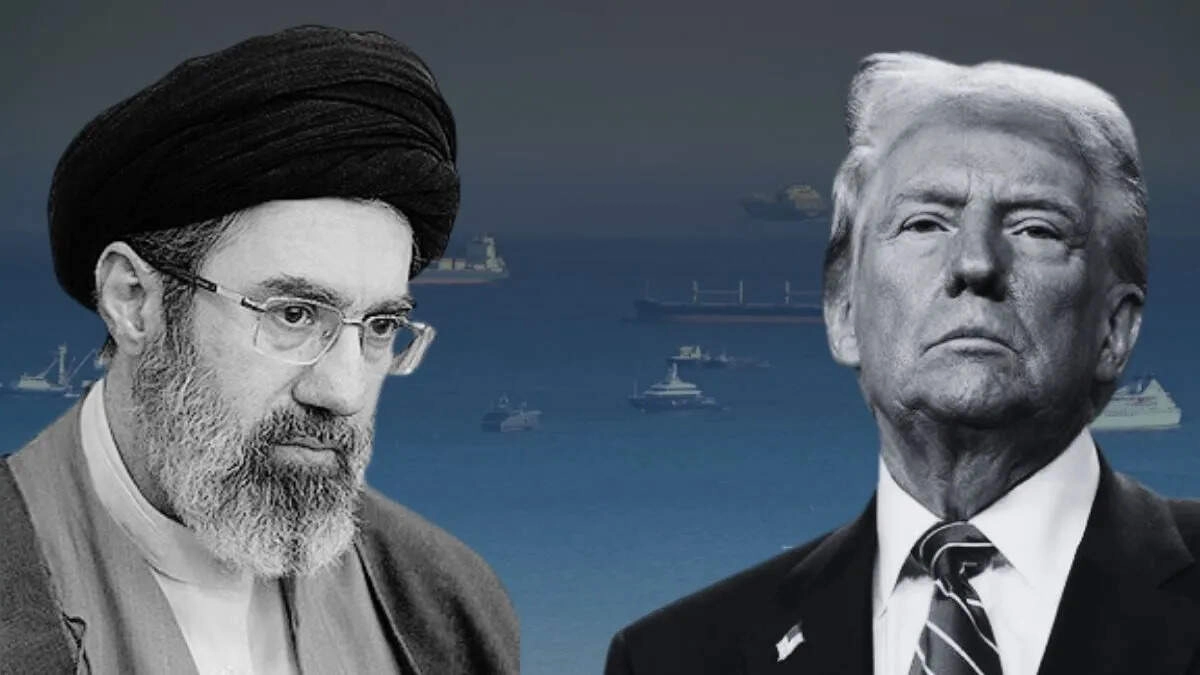
The ongoing tensions between Iran and the United States have created significant challenges in reaching an agreement regarding the reopening of the Strait of Hormuz. This strategic waterway is vital for global oil transportation, and both nations have vested interests in its control and security. The crux of the issue lies in the differing demands and expectations from both sides, which have prevented any consensus from emerging.
One of the primary hurdles in the negotiations is Iran’s insistence on the lifting of economic sanctions imposed by the U.S. These sanctions have severely impacted Iran’s economy and its ability to engage in international trade. Iran is adamant that any agreement to reopen the Strait must include a clear path to the removal of these sanctions. On the other hand, the U.S. remains firm on its stance regarding Iran’s nuclear program and its regional activities, which it views as destabilizing. This fundamental disagreement creates a deadlock, as both parties are unwilling to compromise on what they see as critical national interests.
Moreover, regional dynamics play a significant role in these discussions. The involvement of other countries and their interests in the Gulf region complicates the situation further. Nations like Saudi Arabia and the United Arab Emirates have their own security concerns regarding Iran, which influences the U.S. position in negotiations. Thus, any deal that emerges must not only satisfy the immediate needs of Iran and the U.S. but also take into account the broader geopolitical landscape.
As the situation unfolds, both nations continue to engage in diplomatic talks, but the path to a resolution remains fraught with challenges. The stakes are high, as a failure to reach an agreement could lead to increased tensions in the region, potentially impacting global oil markets and international relations. The world watches closely, hoping for a peaceful resolution that could pave the way for stability in the Gulf and beyond.