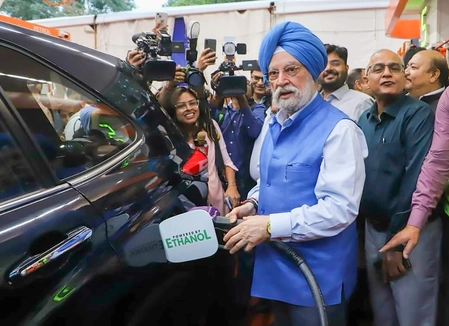
The Ministry of Petroleum has indicated that while the introduction of E20 petrol might lead to a decrease in mileage by approximately 3 to 5 percent, it brings along a multitude of benefits. E20 refers to a fuel blend that consists of 20% ethanol and 80% gasoline. This shift towards ethanol-blended fuels is part of a broader initiative to promote cleaner energy sources and reduce dependence on fossil fuels.
One of the primary advantages of using E20 petrol is its potential to significantly lower greenhouse gas emissions. Ethanol is a renewable resource, often derived from agricultural products, which means its use can help reduce the carbon footprint associated with traditional gasoline. Moreover, the increased use of ethanol can stimulate the agricultural sector, as it may lead to higher demand for crops used in ethanol production.
The transition to E20 petrol also aims to enhance energy security by diversifying the energy supply. With the rising global demand for fossil fuels, countries are seeking alternatives that can ensure a stable energy supply while minimizing environmental impacts. Although there may be a slight decline in fuel efficiency, the long-term environmental and economic benefits of E20 petrol are expected to outweigh this drawback.
In summary, while motorists might experience a small reduction in mileage with E20 petrol, the overall advantages, including reduced emissions, support for agriculture, and enhanced energy security, make it a favorable option for the future of transportation fuels. The government’s emphasis on transitioning to such sustainable energy sources reflects a commitment to addressing climate change and promoting a greener economy.