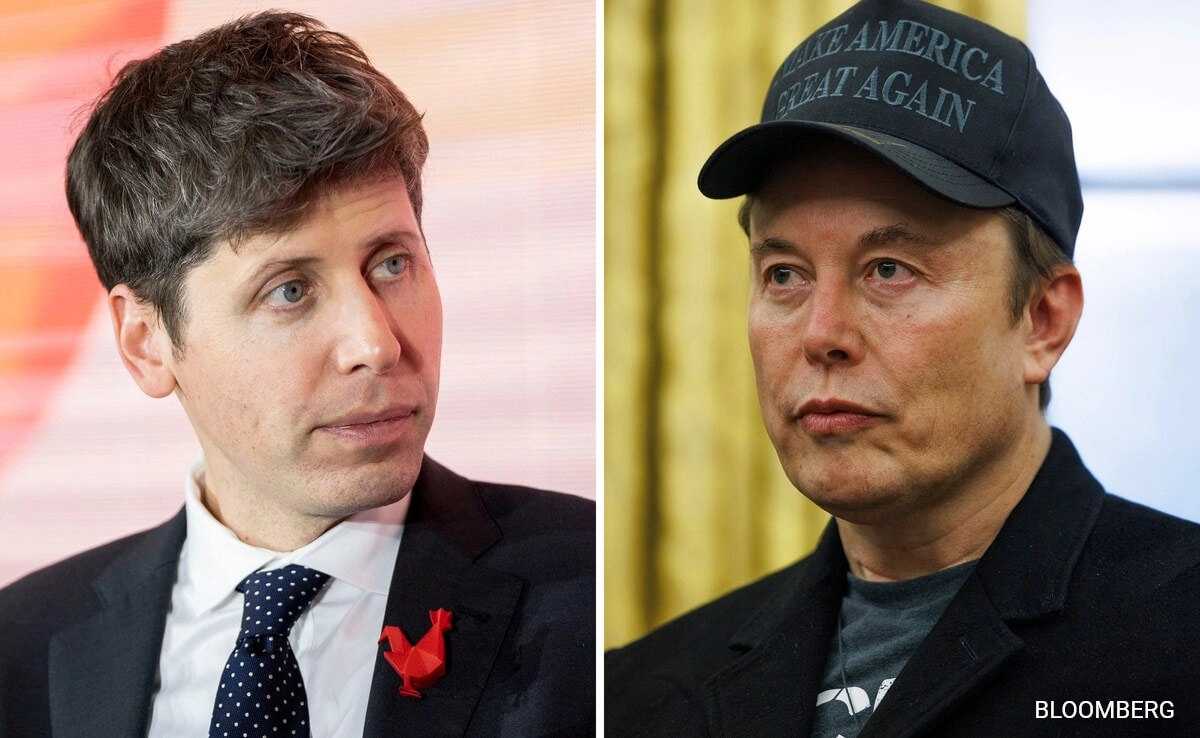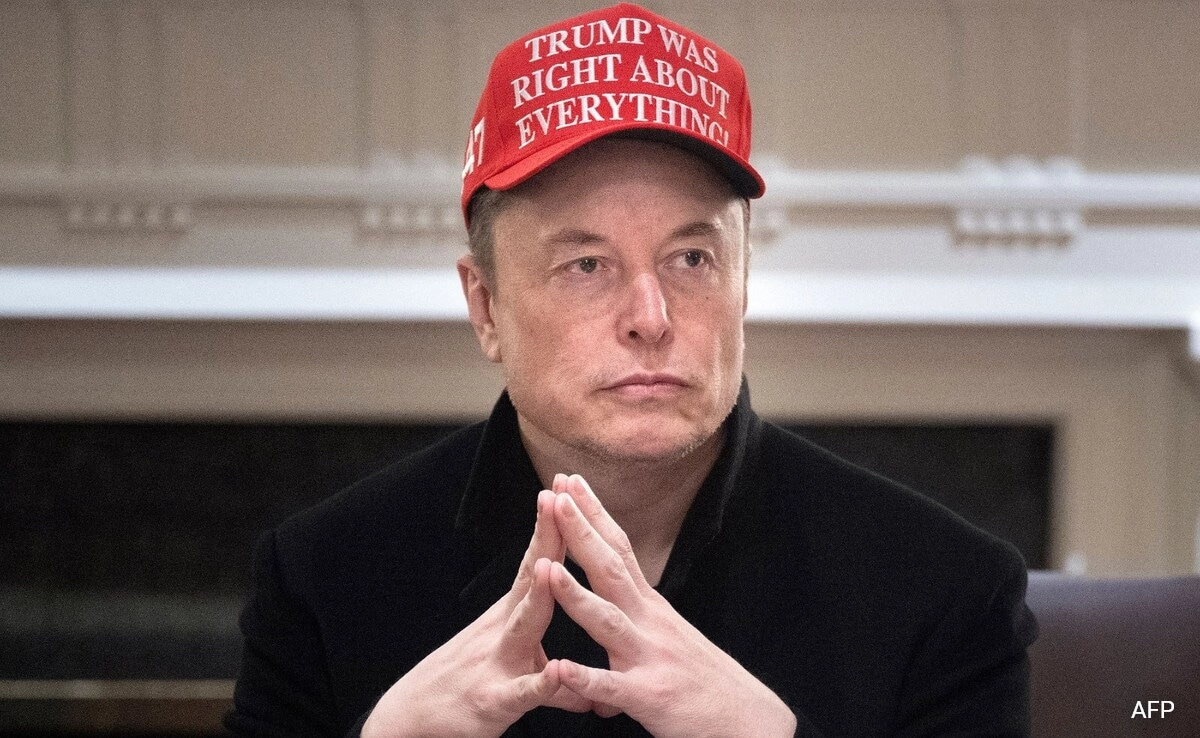
Elon Musk, the visionary entrepreneur behind companies such as Tesla and SpaceX, has had a remarkable influence on various industries and has often found himself at the intersection of technology and politics. His role as an adviser to former President Donald Trump was particularly notable, as it highlighted Musk’s unique position to influence policy on issues related to innovation, clean energy, and space exploration. During his time as an adviser, Musk had several memorable moments that underscored not only his innovative mindset but also the complexities of navigating the political landscape.
One of Musk’s most significant contributions during his advisory tenure was his advocacy for renewable energy initiatives. He consistently pushed the Trump administration to prioritize clean energy technologies, emphasizing the importance of transitioning to sustainable sources. This was exemplified by Musk’s participation in discussions surrounding the Paris Agreement, where he expressed his strong belief in the need for the United States to lead in climate change efforts. His decision to resign from the President’s advisory councils following Trump’s withdrawal from the agreement was a pivotal moment that illustrated his commitment to environmental issues, even at the cost of political alignment. This bold stance resonated with many supporters of sustainable energy and showcased Musk’s willingness to stand firm on his principles.
Another memorable aspect of Musk’s advisory role was his involvement in discussions about innovation and infrastructure. He often advocated for significant investments in technology and transportation, particularly around projects like the Hyperloop and infrastructure improvements that could support future growth. His futuristic vision often clashed with the more traditional approaches favored by some policymakers, leading to lively debates that captured media attention. Musk’s passionate arguments for investing in futuristic transportation methods highlighted the potential for technological advancements to reshape American infrastructure and maintain the country’s competitive edge in a rapidly evolving global economy.
Additionally, Musk’s candid and sometimes controversial public statements during this period drew both admiration and criticism. His unpredictable tweets and outspoken opinions on various subjects often sparked discussions that transcended his advisory role and entered the broader political discourse. Whether he was addressing issues related to immigration, business regulations, or the tech industry, Musk’s willingness to engage directly with the public through social media made him a prominent figure in the conversation surrounding Trump’s presidency. This unique blend of innovation and controversy helped shape his legacy as an adviser, leaving an indelible mark on both the tech industry and the political landscape.
In conclusion, Elon Musk’s time as an adviser to Donald Trump was characterized by memorable moments that highlighted his commitment to innovation, sustainability, and candid discourse. His advocacy for clean energy, push for technological advancements, and willingness to challenge the status quo made him a distinctive voice in the administration. As Musk continues to push the boundaries of technology and entrepreneurship, his experiences as a political adviser serve as a fascinating chapter in his multifaceted career, reflecting the complex interplay between technology, policy, and personal conviction.