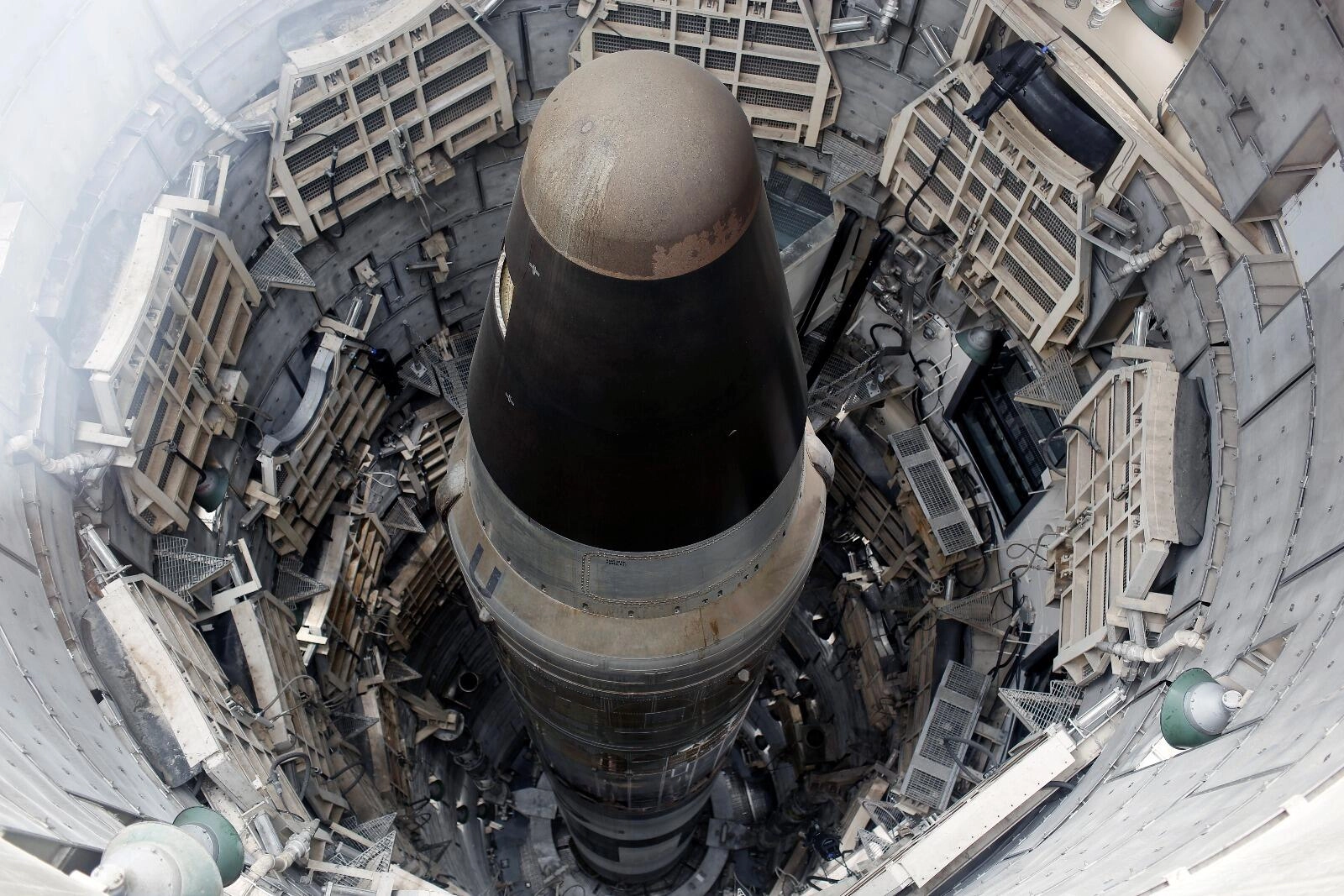
The Dead Hand Nuclear System, known in Russian as “Perimeter,” is a highly secretive and sophisticated nuclear command and control mechanism developed by the Soviet Union during the Cold War. This system is designed to ensure that Russia can respond with nuclear force even if its leadership is incapacitated or eliminated in a surprise attack. The concept behind the Dead Hand system is simple yet chilling: it acts as an automatic deterrent, ensuring that retaliation is possible even in the face of a devastating first strike.
The system operates through a network of sensors and communication technologies that monitor the state of the country and its nuclear arsenal. If a significant attack is detected—such as a nuclear explosion or a sudden loss of communication with the command structure—the Dead Hand can autonomously initiate a counterstrike based on pre-set protocols. This capability instills a sense of fear among other nations, as it creates a scenario where a nuclear response could happen without direct human authorization, potentially leading to uncontrollable escalation.
The implications of the Dead Hand system extend far beyond Russia’s borders, affecting global security dynamics. Major powers are often wary of this system, as it poses a unique challenge to traditional deterrence strategies. The fear of a miscalculation or an accidental launch due to the automated nature of the system raises concerns about the stability of nuclear deterrents. As geopolitical tensions rise and new technologies emerge, understanding systems like Dead Hand becomes crucial for international relations and arms control discussions.
In conclusion, the Dead Hand Nuclear System embodies the complexities and dangers of nuclear warfare in the modern era. Its existence serves as a reminder of the precarious balance of power and the potential consequences of miscommunication or misunderstanding among nuclear-armed states. As nations navigate this intricate landscape, the need for dialogue and diplomatic efforts becomes ever more critical to prevent catastrophic outcomes stemming from such powerful and automated systems.