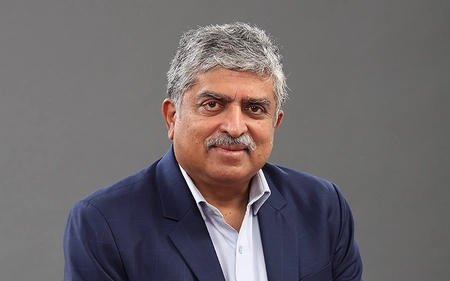
Nandan Nilekani is a prominent Indian entrepreneur and bureaucrat, best known for his role as the co-founder of Infosys, one of India’s leading IT services companies. His contributions to the Indian technology sector have been widely recognized, and he has been instrumental in shaping the country’s digital landscape. After his successful career in the private sector, Nilekani took on significant governmental roles, notably as the chairman of the Unique Identification Authority of India (UIDAI), where he oversaw the implementation of the Aadhaar project. This initiative aimed to provide a unique identification number to residents of India, enhancing access to various services and welfare programs.
Recently, Nilekani has garnered attention for his involvement in educational reforms, particularly in the assessment and examination processes in India. Both the Congress party and Prime Minister Narendra Modi have expressed confidence in his abilities, entrusting him with the responsibility of improving the examination system in the country. This move highlights the bipartisan recognition of his expertise and the need for a more robust evaluation framework in Indian education. Nilekani’s approach is expected to leverage technology and innovative practices to ensure fair and efficient assessments, which are crucial for the growth and development of students.
With his extensive background in technology and governance, Nilekani is well-positioned to drive significant changes in the examination landscape. His experience with large-scale projects like Aadhaar demonstrates his capability to manage complex systems and implement effective solutions. The focus on reforming the examination process not only aims to enhance educational standards but also to alleviate the pressures faced by students during assessments. As India continues to evolve in the global knowledge economy, Nilekani’s leadership in this area could be pivotal in shaping a more equitable and efficient educational framework.