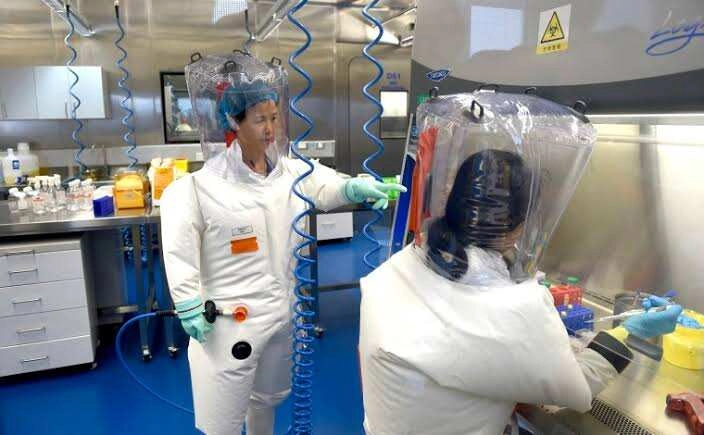
A recent investigation has revealed significant information regarding the origins of the coronavirus, suggesting that the laboratory in China where the virus is believed to have emerged received funding from the United States. This revelation, coming years after the initial outbreak, has sparked renewed discussions and debates about the origins of the pandemic and the international relationships surrounding it.
The lab in question has been at the center of controversies since the onset of the COVID-19 pandemic. Various theories have circulated regarding how the virus first appeared, with some pointing to a natural zoonotic spillover and others suggesting a laboratory accident. The discovery that U.S. funding was allocated to this laboratory raises critical questions about the oversight and accountability of international scientific collaborations, particularly in fields related to bioengineering and virology.
As investigations continue, this disclosure could have far-reaching implications for global health policies and international relations. It highlights the complexities involved in funding scientific research across borders, especially in sensitive areas that can impact public health on a global scale. The dialogue surrounding this topic is expected to evolve as more evidence comes to light, shedding further insight into how the pandemic began and the international community’s role in it.