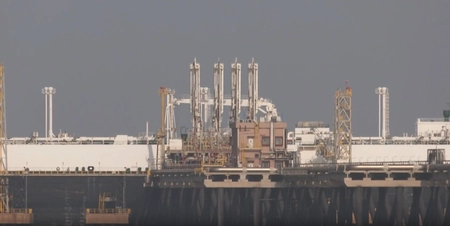
After the America-Iran agreement, the LNG tanker named “Disha” has arrived in Gujarat, marking a significant event in the ongoing energy dynamics in the region. This tanker had been stranded for three months in the strategic Strait of Hormuz due to the geopolitical tensions that had previously hindered its passage. The arrival of “Disha” not only signifies the resumption of LNG trade but also highlights the potential for improved relations and energy cooperation in the future.
The Strait of Hormuz, a crucial waterway for global oil and gas shipments, has often been a focal point of international conflicts and sanctions. The fact that the tanker could finally leave this critical route suggests a possible easing of restrictions and a move towards normalizing trade between the United States and Iran. This development could have far-reaching implications for global energy markets, especially given the significant demand for liquefied natural gas in various parts of the world.
As the tanker “Disha” docks in Gujarat, it brings with it a cargo that could help meet the growing energy needs of India. The arrival of LNG is particularly timely, as India has been striving to diversify its energy sources and reduce its dependence on coal. This not only aligns with India’s commitment to cleaner energy but also enhances its energy security in an increasingly volatile global market. The successful passage of “Disha” could pave the way for more such shipments in the future, fostering a renewed sense of optimism regarding energy cooperation and trade in the region.