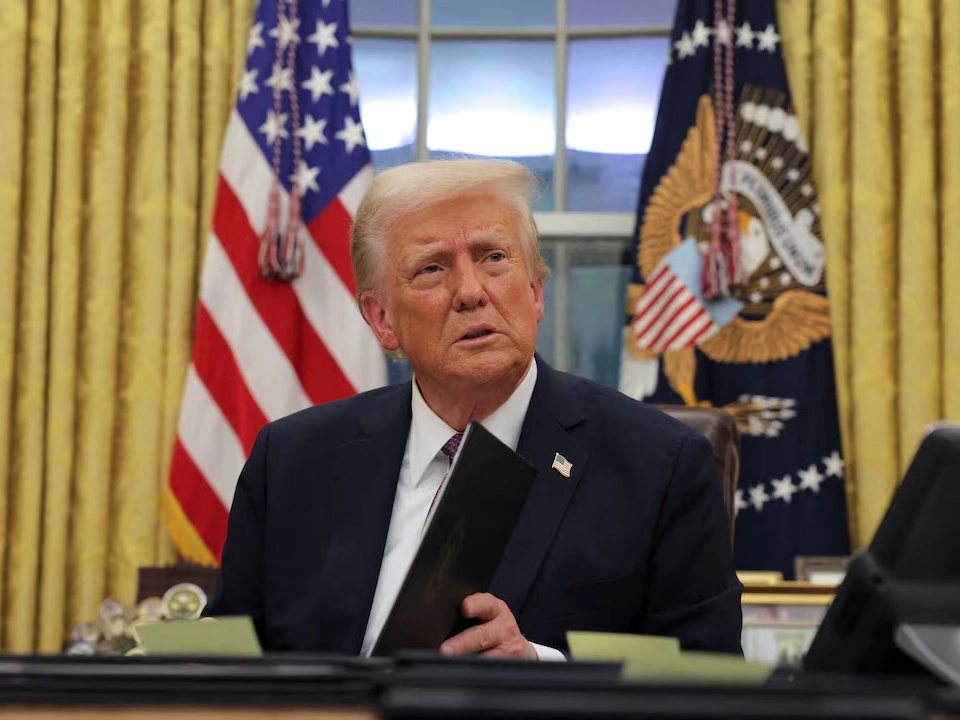
The question of whether President Donald Trump can be removed from office is a complex issue governed by the provisions of the United States Constitution. The process for removing a sitting president is laid out in Article II, Section 4, which states that the president can be impeached and removed from office for “treason, bribery, or other high crimes and misdemeanors.” This means that, in order for a president to be removed, there must be substantial evidence of wrongdoing that meets this criterion.
The impeachment process begins in the House of Representatives, where articles of impeachment are drafted and voted upon. If a simple majority of the House votes in favor, the president is considered impeached. Following this, the process moves to the Senate, where a trial is conducted. Senators act as jurors, and the Chief Justice of the Supreme Court presides over the trial. A two-thirds majority vote in the Senate is required to convict the president and remove him from office.
Historically, only two presidents have been impeached: Andrew Johnson in 1868 and Bill Clinton in 1998. Both were acquitted by the Senate and thus remained in office. Richard Nixon, while facing almost certain impeachment in 1974, chose to resign before the process could occur. This historical context is essential to understanding the gravity and rarity of presidential impeachment in the United States.
In addition to impeachment, the 25th Amendment provides another mechanism for removal, allowing for a president to be declared unable to perform the duties of the office. This can occur if the president is incapacitated or unable to fulfill their responsibilities. However, this process requires the agreement of the vice president and a majority of the cabinet, making it a different and potentially more complicated route for removal.
In conclusion, while the Constitution does provide a clear framework for the removal of a president, it is a process steeped in political considerations and historical precedent. The mechanisms of impeachment and the 25th Amendment are designed to ensure that such a serious action is not taken lightly, reflecting the foundational principles of governance and accountability in the United States.