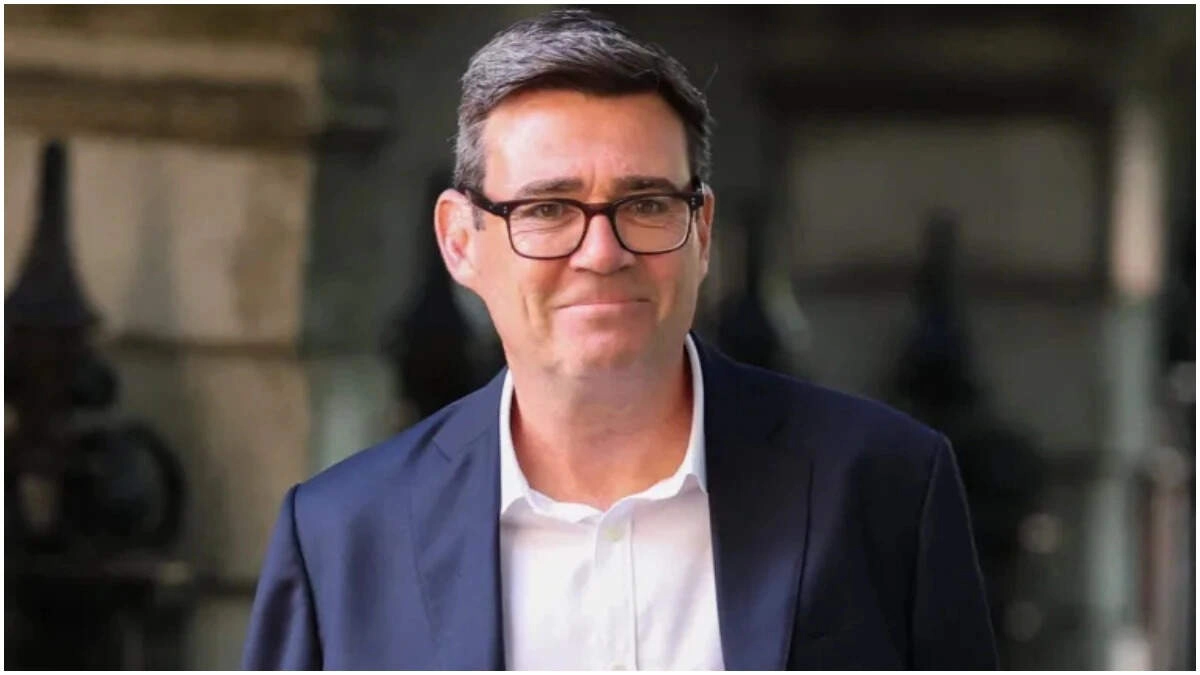
In a significant political development, Andy Burnham has taken the reins as the seventh Prime Minister of the United Kingdom in just ten years. This change in leadership reflects the dynamic and often tumultuous nature of British politics, where shifts in power can occur rapidly due to various factors. Burnham, known for his progressive policies and strong leadership style, is expected to bring a fresh perspective to the challenges facing the country, including economic recovery, healthcare reform, and climate change initiatives.
Alongside Burnham’s appointment, there is speculation about the potential cabinet appointments, particularly regarding Shabana Mahmood, who has Pakistani roots. Mahmood is considered a key figure in this new administration and may be entrusted with an important ministry. Her background and experiences could play a crucial role in shaping policies that resonate with diverse communities in the UK. As a prominent member of the Labour Party, Mahmood’s involvement in the government could signal a commitment to inclusivity and representation in British politics.
The implications of this leadership change are significant not just for the UK but also for international relations, especially in the context of post-Brexit negotiations and global partnerships. With Burnham at the helm, there may be a renewed focus on strengthening ties with other nations, promoting trade, and addressing global challenges collaboratively. The upcoming months will be critical as the new Prime Minister and his cabinet navigate the complexities of governance while striving to fulfill their electoral promises and address the pressing issues faced by the British public.