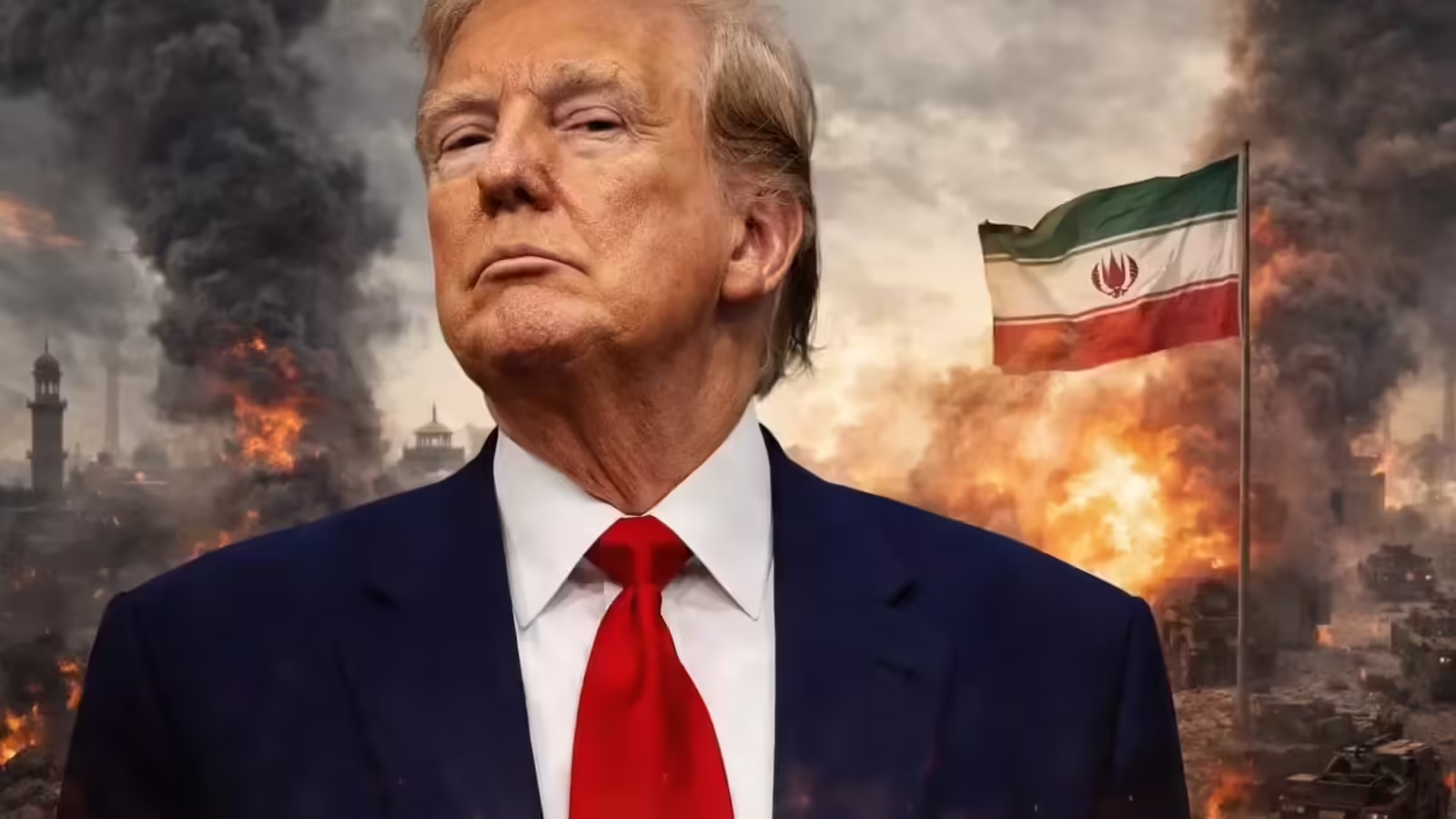
The closure of the Hormuz Strait has sent shockwaves around the world, with Iran accusing the United States of violating agreements that were previously established. This critical waterway is vital for the global oil supply, and any disruption can have serious implications for international markets and geopolitical stability. Iran’s allegations come amid rising tensions between the two nations, exacerbated by the past actions of the Trump administration, which had already strained relations.
Former President Donald Trump weighed in on the situation, asserting that the U.S. would take necessary measures to secure uranium supplies, emphasizing that they would do so at any cost. His statement reflects the ongoing struggle over nuclear ambitions and sanctions that have characterized U.S.-Iran relations in recent years. The rhetoric from both sides indicates a deepening confrontation, with Iran’s strategic maneuvers in the Strait potentially serving as a warning against U.S. policies in the region.
The implications of the Hormuz Strait’s closure are far-reaching, potentially affecting global oil prices and international diplomatic relations. As one of the world’s most crucial maritime chokepoints, any blockade or military action in this area could lead to significant economic repercussions. The international community is closely monitoring the developments, as they could escalate tensions further and lead to a larger conflict. The situation remains delicate, with both sides at a crossroads, facing the consequences of their decisions in a highly interconnected world.