The defense deal between the United States and Taiwan is poised to significantly alter the geopolitical landscape in Asia. This agreement comes at a time when tensions in the region are escalating, particularly with China’s assertive posture towards Taiwan and its expanding influence in the South China Sea. The U.S. has long been a supporter of Taiwan, but this deal represents a more formalized commitment to bolster Taiwan’s defense capabilities in the face of potential aggression from China. This strategic partnership is likely to send a strong message to Beijing, indicating that the U.S. stands firmly behind its allies in the region.
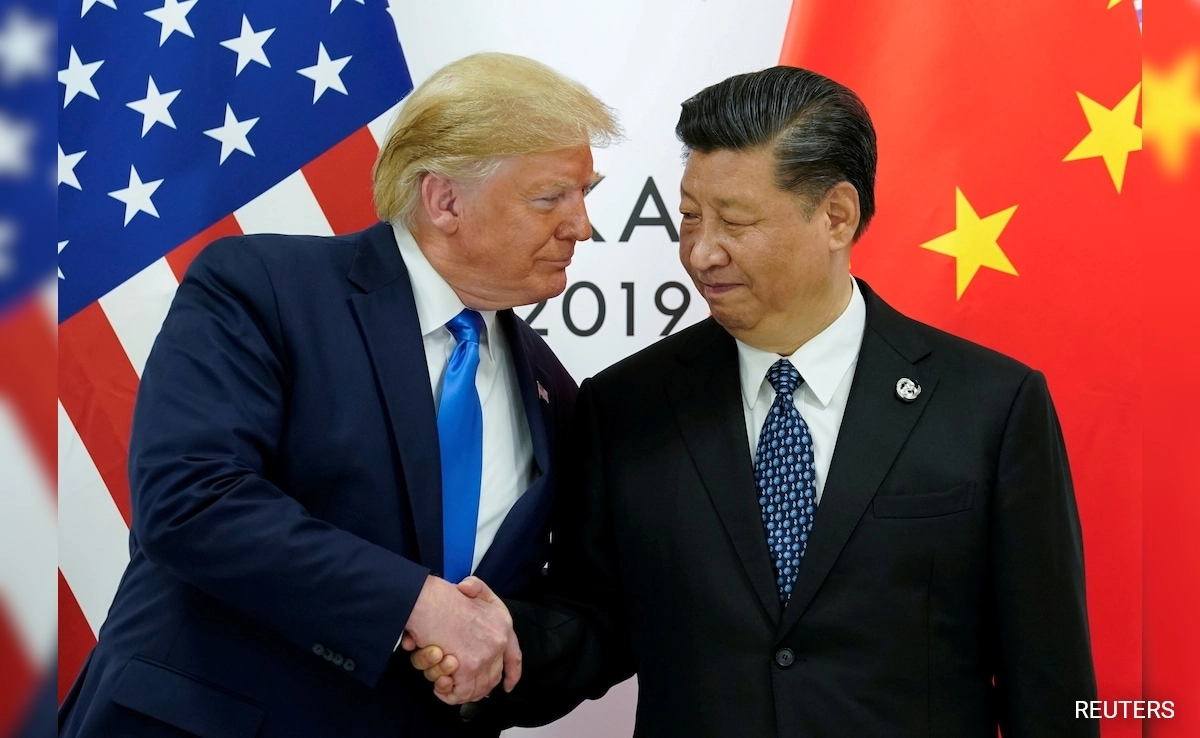
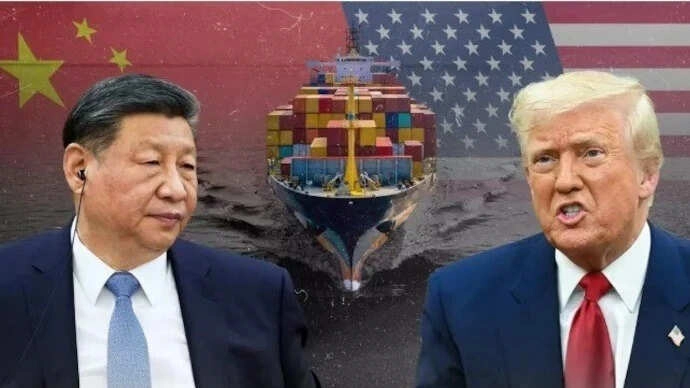
Moreover, the implications of this deal extend beyond Taiwan itself. China and Pakistan, who have historically maintained close ties and have often collaborated on defense issues, may find themselves at a disadvantage as the U.S. strengthens its military relationship with Taiwan. The partnership could lead to a shift in the balance of power, making China reconsider its approach towards Taiwan and its broader regional ambitions. The Trump administration had previously adopted a hardline stance against China, and this new deal may be seen as a continuation of that strategy, compelling both Beijing and Islamabad to remain vigilant and responsive to the changing dynamics in the region.
In essence, the U.S.-Taiwan defense deal is not merely about military support; it signifies a broader strategic alignment that could redefine alliances and rivalries in Asia. As the U.S. continues to reinforce its commitments to its allies, it could lead to increased military cooperation among nations that share concerns over China’s regional ambitions. This evolving situation will undoubtedly keep China and Pakistan on high alert, as they may need to recalibrate their own strategies in response to this enhanced U.S.-Taiwan partnership. The future of Asian geopolitics hinges on how these developments unfold, and the actions taken by China and Pakistan in response to this new reality will be critical in shaping the region’s stability and security.