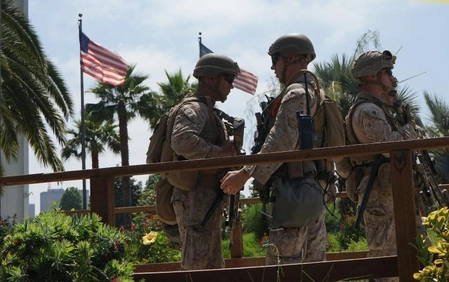
Amid escalating tensions with Iran, the United States has deployed 3,500 Marine troops to the Middle East. This military move underscores the seriousness with which the U.S. is approaching the current geopolitical climate in the region. The deployment is part of a broader strategy to enhance security and deter potential threats, particularly from Iranian forces and their allied militias. The U.S. government has expressed concerns over Iran’s aggressive posturing, which includes increased military activity and hostile rhetoric toward American interests and allies in the region.
The decision to send additional troops reflects a commitment to maintaining stability in the Middle East, especially in light of recent incidents involving Iranian naval forces and their interference in international shipping lanes. The U.S. military presence serves a dual purpose: to reassure allies who may feel vulnerable in the face of Iranian aggression and to send a clear message to Tehran that provocative actions will not be tolerated. The deployment of the Marines is expected to bolster American forces already stationed in the region, providing greater operational flexibility and readiness to respond to any crisis.
Furthermore, this military buildup could escalate tensions further, with Iran likely to perceive this as a direct threat. The U.S. has historically maintained a strong military presence in the Middle East, but the current circumstances may lead to heightened confrontations. The situation remains fluid, and diplomatic efforts are crucial in addressing the underlying issues that fuel these tensions. As the U.S. navigates this complex landscape, the focus will be on balancing military readiness with the need for dialogue and de-escalation to avoid a potential conflict that could have far-reaching consequences not just for the region, but for global security as a whole.