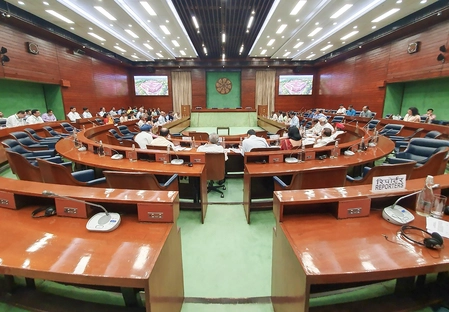
In the ongoing investigation into the Parliament security breach case, a significant development has emerged with the filing of a fourth supplementary chargesheet under the Unlawful Activities (Prevention) Act (UAPA). This comprehensive document spans an impressive 13,000 pages, underscoring the complexity and gravity of the case. The chargesheet is expected to provide crucial insights into the events surrounding the breach, detailing the individuals involved, the methodologies employed, and the broader implications for national security.
The filing of such an extensive chargesheet highlights the meticulous efforts of law enforcement agencies to gather evidence and build a robust case against the accused. It reflects the seriousness with which authorities are addressing the security lapse that threatened the sanctity of one of the nation’s key institutions. The UAPA is a stringent law aimed at curbing unlawful activities, particularly those related to terrorism, and its application in this case signifies the potential severity of the offenses being investigated.
As the legal proceedings unfold, the fourth supplementary chargesheet will likely become a focal point in court, as it lays the groundwork for the prosecution’s case. Legal experts anticipate that the detailed allegations and evidence presented in this document will play a crucial role in determining the outcomes for those implicated. Additionally, the case is expected to provoke discussions about security protocols surrounding the Parliament and the necessary measures to prevent such breaches in the future, ensuring that the integrity of the legislative process is maintained.