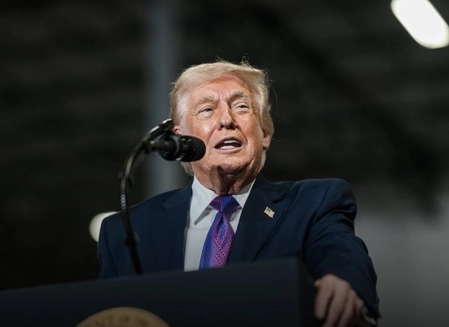
Former President Donald Trump has issued a warning regarding potential disruptions in funding, suggesting that he might deploy ICE (Immigration and Customs Enforcement) agents to secure airports across the country. This statement comes amid ongoing debates about budget allocations and the impact of funding cuts on various sectors, particularly those related to national security and immigration enforcement. Trump’s comments highlight the complexities of managing immigration policies while ensuring the safety and security of transportation hubs, which are critical for both domestic and international travel.
The potential deployment of ICE agents to airports raises significant questions about the intersection of immigration enforcement and public safety. Critics of such a move argue that it could create a climate of fear among travelers, particularly those from immigrant communities, and may lead to racial profiling or unjust detentions. Supporters, however, contend that a strong presence of law enforcement is necessary to deter illegal activities and ensure that airports remain secure environments for all passengers. This tension underscores the ongoing challenges faced by policymakers in balancing security concerns with civil liberties and humane treatment of individuals.
As the situation evolves, the implications of Trump’s threat extend beyond airport security. The discussion reflects broader issues of immigration policy in the United States, including how to address illegal crossings, the treatment of undocumented immigrants, and the funding of agencies responsible for enforcement. The outcome of these debates could have lasting effects on the nation’s immigration system and the approach taken toward individuals seeking to enter the country. Ultimately, how these policies are implemented will shape the future of air travel and the experiences of millions of travelers who frequent the nation’s airports.