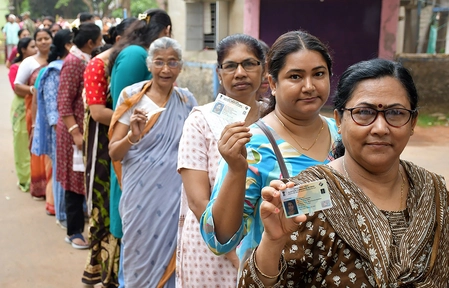
In recent elections, both Bengal and Tamil Nadu witnessed an impressive turnout at the polls, with a remarkable participation of women. This surge in voter engagement reflects not only the growing political awareness among the electorate but also highlights the critical role women play in the democratic process. The increased presence of women at polling stations indicates a significant shift in societal attitudes towards female participation in politics and governance.
In Bengal, reports suggest that the voter turnout reached unprecedented levels, fueled by the active involvement of women who turned out in large numbers to cast their votes. This trend can be attributed to various factors, including targeted awareness campaigns aimed at encouraging women to exercise their electoral rights. Local organizations and community leaders have played a pivotal role in motivating women to participate, ensuring their voices are heard in shaping the future of their communities and the state.
Similarly, Tamil Nadu also experienced a robust voter turnout, with women leading the charge. The state has a history of strong female political representation, and this election cycle has further solidified that legacy. Women voters have expressed their desire for change and improvement in various sectors, such as education, healthcare, and social welfare. Their active participation not only signifies a demand for better governance but also underscores the importance of inclusive politics that considers the perspectives and needs of all citizens.
The significant involvement of women in these elections is a positive indicator of progress towards gender equality in the political arena. It challenges traditional norms and paves the way for future generations of women leaders. As more women engage in the electoral process, it is essential for political parties to recognize and respond to their concerns, ensuring that policies reflect the aspirations of the entire population. This trend could potentially transform the political landscape in both states, leading to more representative and responsive governance.