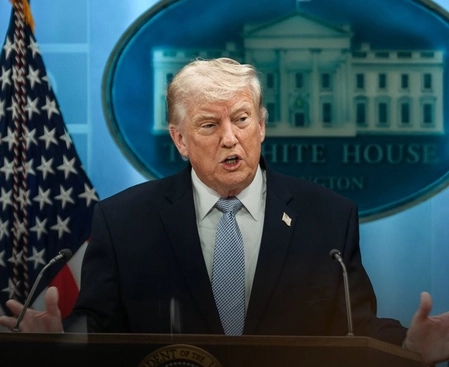
Former U.S. President Donald Trump has indicated that if Iran continues its inappropriate behavior, military action remains a viable option for the United States. His comments reflect a longstanding tension between the two nations, which has been marked by various conflicts and disagreements over issues such as nuclear development, regional influence, and support for militant groups. Trump’s administration had previously adopted a hardline stance against Iran, withdrawing from the 2015 nuclear agreement and imposing severe economic sanctions.
The implications of military action are significant, not only for U.S.-Iran relations but also for the broader geopolitical landscape in the Middle East. Any military engagement could lead to escalated conflicts that might involve other countries in the region, further destabilizing an already volatile area. Experts warn that a military strike could provoke retaliatory actions from Iran, which has a history of responding aggressively to perceived threats.
Additionally, Trump’s statement underscores the complexities of international diplomacy and the challenges faced by world leaders in addressing issues related to national security and global peace. The potential for military action raises important questions about the effectiveness of diplomatic efforts and the consequences of failing to reach a peaceful resolution. As tensions continue to simmer, the international community remains watchful, hoping for dialogue rather than confrontation.