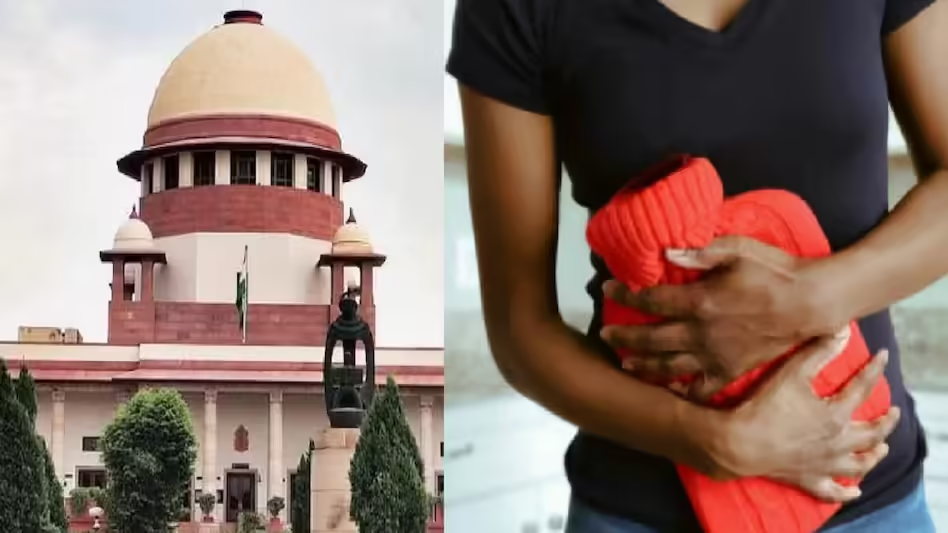
The Supreme Court has recently refused to hear a petition concerning Paid Period Leave, stating that such a provision could adversely affect women’s employment opportunities. The court’s decision has sparked a significant debate around the implications of introducing a policy that allows women to take leave during their menstrual cycles. Proponents argue that implementing Paid Period Leave is essential for supporting women’s health and well-being, while critics warn that it might lead to discrimination against women in the workplace, potentially reinforcing stereotypes about women’s capabilities and reliability during their menstrual cycles.
The issue of Paid Period Leave has garnered attention in various countries, with some nations already adopting policies that allow women to take time off during their menstruation. Advocates highlight the importance of recognizing the physical discomfort and health challenges that many women face during this time, arguing that a supportive work environment can enhance productivity and overall employee satisfaction. However, the Supreme Court’s stance reflects a concern that such a policy might be misinterpreted by employers, leading to a reluctance to hire women or promote them due to perceived risks associated with their menstrual cycles.
As the discussion continues, it raises questions about how societies can balance the need for supportive measures for women’s health with the imperative to ensure equality in the workplace. The court’s refusal to engage with the petition underscores the complexities involved in legislating health-related leave policies and the potential unintended consequences that could arise. Advocates for women’s rights are likely to persist in their efforts to address these concerns, seeking a solution that acknowledges women’s health needs while also promoting equitable treatment in the workforce. The broader implications of such policies will need careful consideration to ensure that they serve to empower rather than hinder women’s professional opportunities.