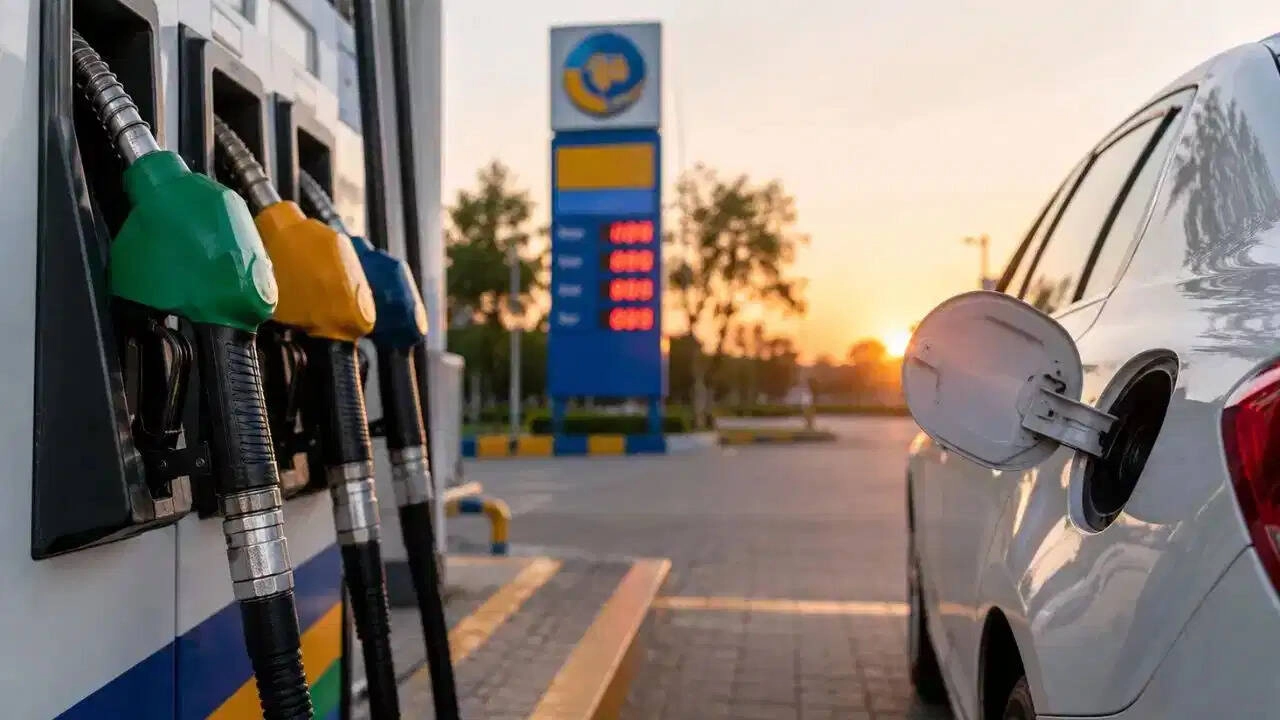
The recent surge in petrol and diesel prices has significantly contributed to the rising inflation rates, impacting various sectors of the economy. As fuel costs continue to climb, the overall expenses associated with transportation have also increased, leading to higher prices for goods and services. This situation creates a ripple effect, as businesses are forced to pass on their increased costs to consumers, further exacerbating inflationary pressures.
Transport expenses play a crucial role in the supply chain, affecting everything from food prices to consumer goods. When fuel prices rise, logistics companies face higher operational costs, which can result in increased freight charges. These charges, in turn, lead to elevated prices for everyday products, making it more challenging for households to manage their finances. As people grapple with the implications of higher living costs, the overall economic landscape becomes strained, often leading to reduced consumer spending.
Furthermore, the rise in fuel prices not only impacts individual budgets but also has broader economic implications. Higher transportation costs can hinder business growth and reduce profit margins, especially for small and medium enterprises that rely heavily on affordable logistics. This situation can create a cycle of economic challenges, where inflation continues to rise, affecting purchasing power and overall economic stability. Policymakers are thus faced with the urgent task of addressing these fuel price hikes and finding solutions to mitigate their effects on inflation and the economy as a whole.