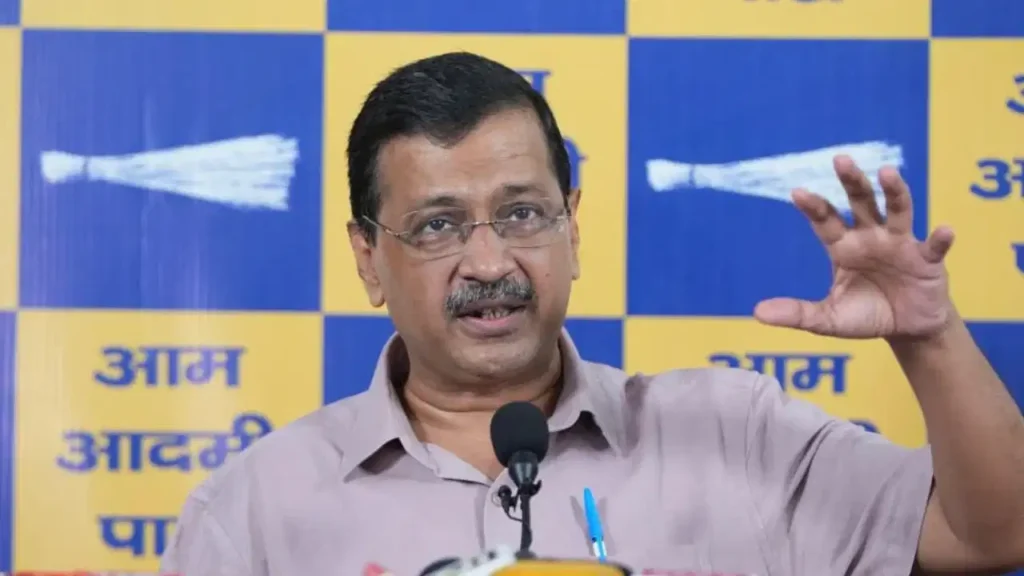
In recent weeks, crude oil prices have experienced a notable decline, raising questions about why this drop has not translated into lower petrol prices for consumers. Delhi Chief Minister Arvind Kejriwal has taken this opportunity to criticize the central government, suggesting that the situation reflects a lack of accountability and transparency in how fuel prices are managed. He pointed out that while the international market prices fluctuate, the government seems to maintain high taxation on fuel, which ultimately affects the pocket of the average citizen.
Kejriwal emphasized that the decrease in crude oil prices should logically lead to a reduction in petrol prices, as the cost of raw materials directly influences the retail prices at which consumers purchase fuel. He argued that the government’s failure to lower petrol prices despite the drop in crude oil costs is indicative of a disconnect between the government and the people it serves. This situation not only burdens the common man with inflated fuel costs but also raises concerns about the ethical implications of such pricing strategies.
Further, Kejriwal’s criticism extends beyond just the price of petrol; he highlighted the broader economic impact of high fuel prices on inflation and living costs. With many households relying on fuel for transportation and daily activities, the sustained high prices contribute to an overall increase in living expenses, disproportionately affecting lower and middle-income families. He called for immediate action from the government to revise fuel pricing policies and reduce taxes to alleviate the financial strain on citizens.
In conclusion, the disparity between falling crude oil prices and stagnant petrol prices has become a focal point of political discourse, with Kejriwal urging the government to act in the interest of the public. The situation underscores the essential need for transparency and fairness in fuel pricing, as it has far-reaching implications for the economy and the quality of life for everyday people. As the debate continues, it remains to be seen whether the government will respond to these concerns and take steps to ensure that the benefits of global oil price reductions are passed on to consumers.