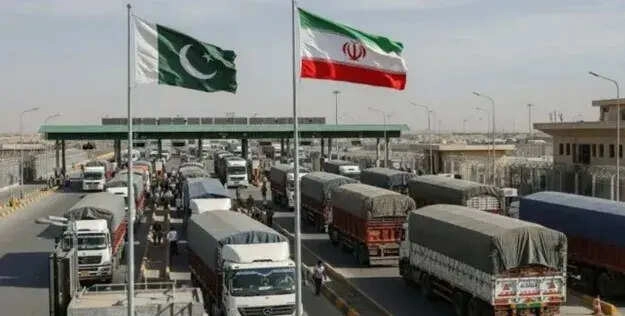
Amid escalating tensions in the Middle East, Pakistan has taken a significant step by establishing six ground routes to facilitate trade and transport to Iran. This development comes at a time when regional dynamics are shifting, and countries are seeking new avenues for economic collaboration. The opening of these routes not only aims to strengthen bilateral ties between Pakistan and Iran but also serves as a strategic move to enhance trade connectivity in the region.
The newly created ground routes are expected to boost the flow of goods and commodities, allowing for smoother and more efficient transit between the two neighboring countries. As trade relationships become increasingly vital in the context of geopolitical tensions, Pakistan’s initiative is seen as a proactive approach to foster economic resilience. By improving infrastructure and trade links, both nations stand to benefit from increased commerce and mutual support.
Furthermore, this initiative may have broader implications for regional stability. Strengthening ties with Iran could help Pakistan navigate the complexities of Middle Eastern politics and create a counterbalance to external pressures. As countries in the region grapple with their respective challenges, such collaborative efforts could pave the way for a more integrated and cooperative Middle East, where economic interests play a pivotal role in fostering peace and stability.