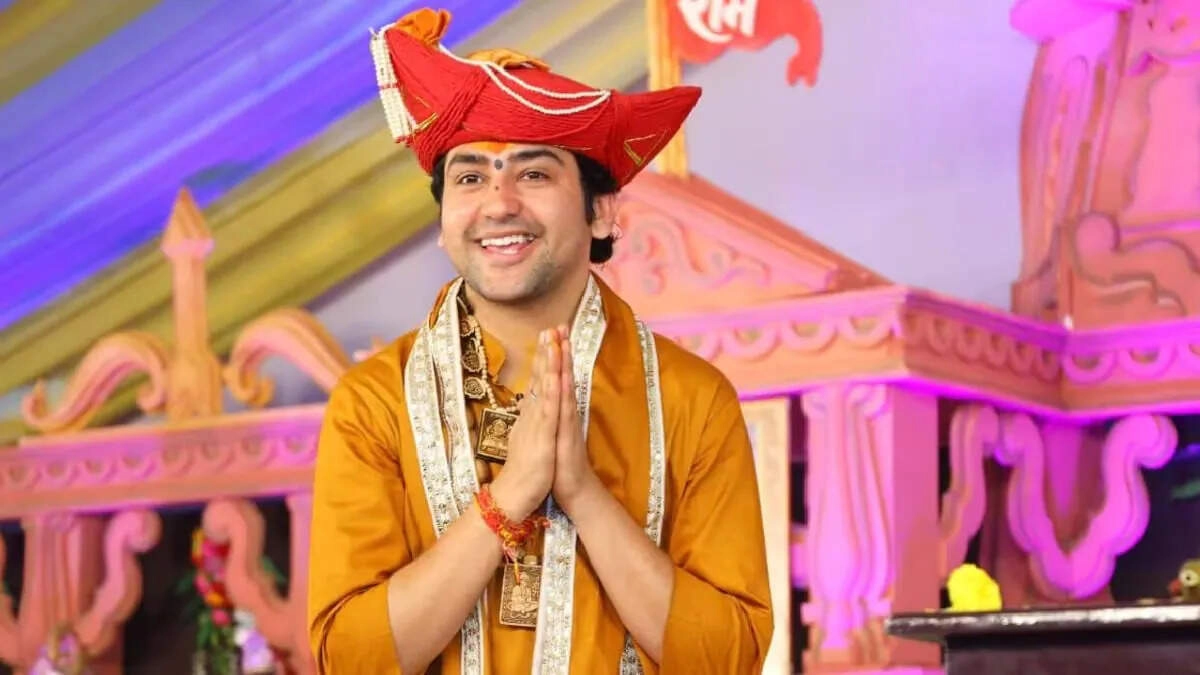
In Nagpur, a controversy has erupted over statements made by Dhirendra Shastri, a prominent figure known for his spiritual discourses. A video of Shastri’s remarks has caught the attention of various political circles, particularly the Congress party, which has expressed its objections to his comments. The specific content of his statements has raised eyebrows and sparked discussions about the intersection of religion and politics in the region.
The Congress party has voiced its concerns, arguing that Shastri’s remarks could be interpreted as politically motivated or potentially divisive. They have called for a careful examination of the implications of such statements, especially in a diverse society like India where communal harmony is crucial. The party believes that leaders and public figures should be cautious in their rhetoric, considering the potential impact on social cohesion and the sentiments of different communities.
As the debate unfolds, it highlights the broader issue of how religious leaders influence political discourse and public opinion. The relationship between spirituality and politics in India often leads to contentious debates, and this incident is no exception. The Congress party’s objection underscores the delicate balance that must be maintained in public discussions to ensure that they do not lead to polarization or unrest among various groups in society.