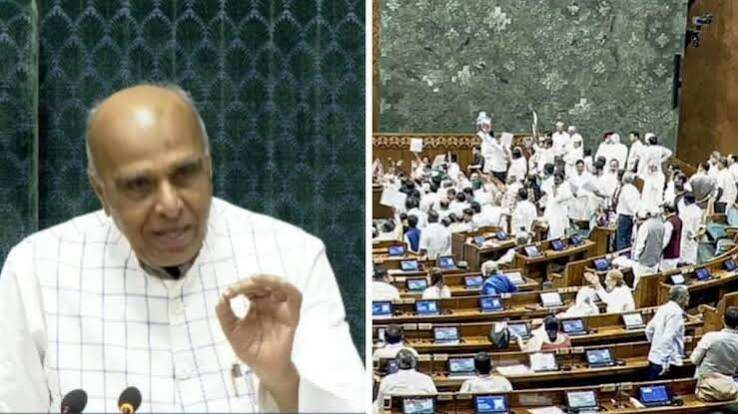
On the first day of the monsoon session, the opposition created a significant uproar in both the Lok Sabha and the Rajya Sabha. This disruption led to the proceedings being adjourned six times, highlighting the intense atmosphere in the parliament. The opposition members raised their voices against various issues, demanding immediate attention from the government. Their protests were not just limited to verbal dissent; they were determined to make their concerns heard, which resulted in a chaotic environment that made it difficult for any legislative business to proceed smoothly.
Amidst the turmoil, the government managed to introduce a bill aimed at increasing the number of judges in the higher judiciary. This bill is seen as a crucial step towards addressing the backlog of cases in the courts, a longstanding issue that has plagued the Indian judicial system. The proposal to enhance the strength of judges is expected to expedite the process of justice delivery, thereby potentially improving the overall efficiency of the legal framework in the country. However, the opposition’s focus on its demands overshadowed this important legislative initiative, raising questions about the effectiveness of parliamentary proceedings in a divided political landscape.
As the session progresses, it remains to be seen how the government will navigate the challenges posed by the opposition’s protests while attempting to push through critical legislation. The heightened tensions indicate a challenging road ahead for the parliament, where meaningful dialogue is often drowned out by dissent. The introduction of significant bills, such as the one concerning judges, may face hurdles if the opposition continues to disrupt proceedings. It is crucial for both sides to find common ground and engage in constructive discussions to ensure that governance and legislative responsibilities are fulfilled effectively.