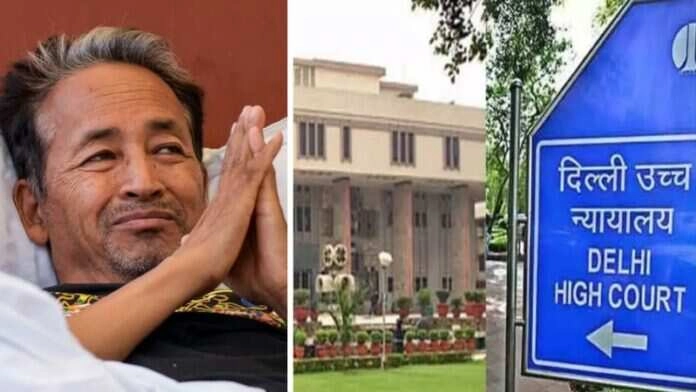
The Delhi High Court has made a significant decision regarding Sonam Wangchuk’s medical treatment. Instead of being treated at Safdarjung Hospital, the court has directed that he will now receive his care at Medanta Hospital. This ruling highlights the importance of ensuring that individuals have access to the best possible medical facilities, particularly in cases that may require specialized care.
Sonam Wangchuk, an influential engineer and educator known for his contributions to education and environmental sustainability in Ladakh, has garnered considerable attention due to his health concerns. His treatment has become a matter of public interest, reflecting the broader issues related to healthcare accessibility and quality in India. The decision to transfer his treatment to Medanta Hospital, a private institution known for its advanced medical infrastructure and expertise, indicates a recognition of his specific health needs.
The court’s ruling may also set a precedent for similar cases in the future, emphasizing the judiciary’s role in advocating for patients’ rights to receive adequate medical care. By allowing Wangchuk to be treated at a facility that can cater to his requirements, it underscores the necessity of prioritizing patient welfare over bureaucratic procedures. This case could inspire discussions on healthcare policies, urging a reevaluation of how patients are assigned to hospitals based on their medical conditions and the facilities available.
Overall, the Delhi High Court’s decision not only impacts Sonam Wangchuk’s immediate medical care but also sheds light on the broader healthcare system in India, highlighting the need for transparency and efficiency in patient treatment protocols.