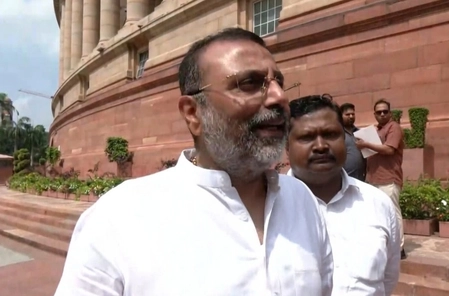
During a recent protest at Jantar Mantar, Nishikant Dubey, a prominent political figure, made statements that have sparked considerable debate. He urged students to focus on their studies rather than engage in protests. Dubey’s comments reflect a broader concern regarding the role of student activism in educational institutions. He seems to advocate for a shift in priorities, suggesting that students should dedicate their time and energy to academic pursuits instead of participating in demonstrations.
This perspective raises important questions about the balance between activism and education. While it is undeniable that academic success is essential for students, many argue that student activism plays a crucial role in shaping society and addressing pressing issues. Protests and movements often serve as platforms for students to voice their concerns, advocate for change, and engage with the political landscape. Dubey’s call for students to prioritize their studies could be seen as an attempt to undermine the significance of these movements.
Furthermore, the context of the protest itself is essential to understanding the dynamics at play. Students often rally for various causes, including educational reforms, social justice, and political accountability. These protests can be pivotal in raising awareness and mobilizing support for important issues. By dismissing student activism, Dubey may overlook the potential impact that these movements can have on both the students involved and society as a whole.
In conclusion, while Nishikant Dubey emphasizes the importance of education, it is crucial to recognize the value of student activism. Striking a balance between academic responsibilities and civic engagement is vital for fostering well-rounded individuals who can contribute meaningfully to society. Students should be encouraged to pursue their studies while also being given the space to express their views and advocate for change.