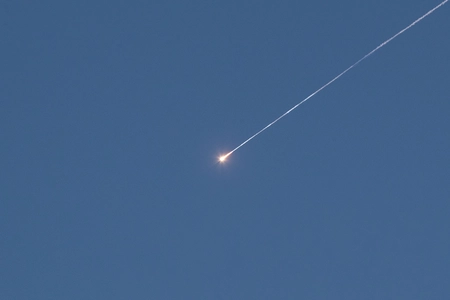
Iran has reported the destruction of the American THAAD missile defense system and the Patriot missile system located in Jordan. This announcement is part of a broader narrative that highlights regional tensions and the ongoing conflict involving various powers in the Middle East. The THAAD (Terminal High Altitude Area Defense) system is designed to intercept and destroy short, medium, and intermediate-range ballistic missiles, while the Patriot system is known for its capability to counter incoming threats like missiles and aircraft. The presence of these advanced missile defense systems in Jordan has been a point of contention, especially considering Iran’s stance against U.S. military presence in the region.
The Iranian government’s claim of successfully targeting these sophisticated defense systems is significant as it underscores the potential for escalating military confrontations in the area. Such developments could heighten the already strained relations between Iran and Western nations, particularly the United States, which has been involved in various military and diplomatic efforts to contain Iran’s influence. The destruction of these systems, if confirmed, might alter the strategic balance in the region and could provoke responses from the U.S. and its allies, which rely on these defense systems for protection against perceived threats from Iran and its proxies.
Furthermore, this situation raises questions about the effectiveness and reliability of U.S. missile defense technology. If Iran’s claims are true, it could undermine confidence in these systems and lead to a reassessment of defense strategies in the region. The geopolitical implications of such a development are profound, as nations may reconsider their military alignments and defense postures in response to a perceived increase in threat levels. As tensions continue to simmer, the international community will be watching closely to see how this situation unfolds and what it means for regional stability.