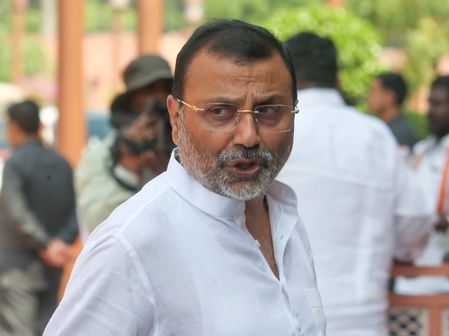
Nishikant Dubey, a prominent political figure, has made a strong statement accusing Rahul Gandhi of being a puppet of foreign powers. This allegation comes amidst ongoing discussions about the influence of external entities in Indian politics. Dubey’s comments highlight a growing concern among some political leaders regarding the potential impact of foreign interference on domestic affairs. He has called on Gandhi to provide an account of his foreign trips, questioning the motivations behind them and suggesting that they may not be in the best interest of the country.
The accusations against Rahul Gandhi are not just limited to his foreign engagements; they also reflect a broader narrative within Indian politics where leaders are often scrutinized for their connections and influences beyond national borders. This discourse raises important questions about national sovereignty and the integrity of political leaders. Dubey’s statements have sparked a debate about transparency in political activities and the need for accountability among public figures, particularly when it comes to their interactions with foreign entities.
In the context of Indian politics, where trust and credibility are paramount, these allegations can significantly affect public perception. The political landscape remains charged as parties engage in a war of words, each trying to establish their stance on issues of nationalism and foreign relations. As the situation evolves, the focus will likely remain on how leaders like Rahul Gandhi respond to such accusations and whether they can effectively counter claims that challenge their integrity and loyalty to the nation.