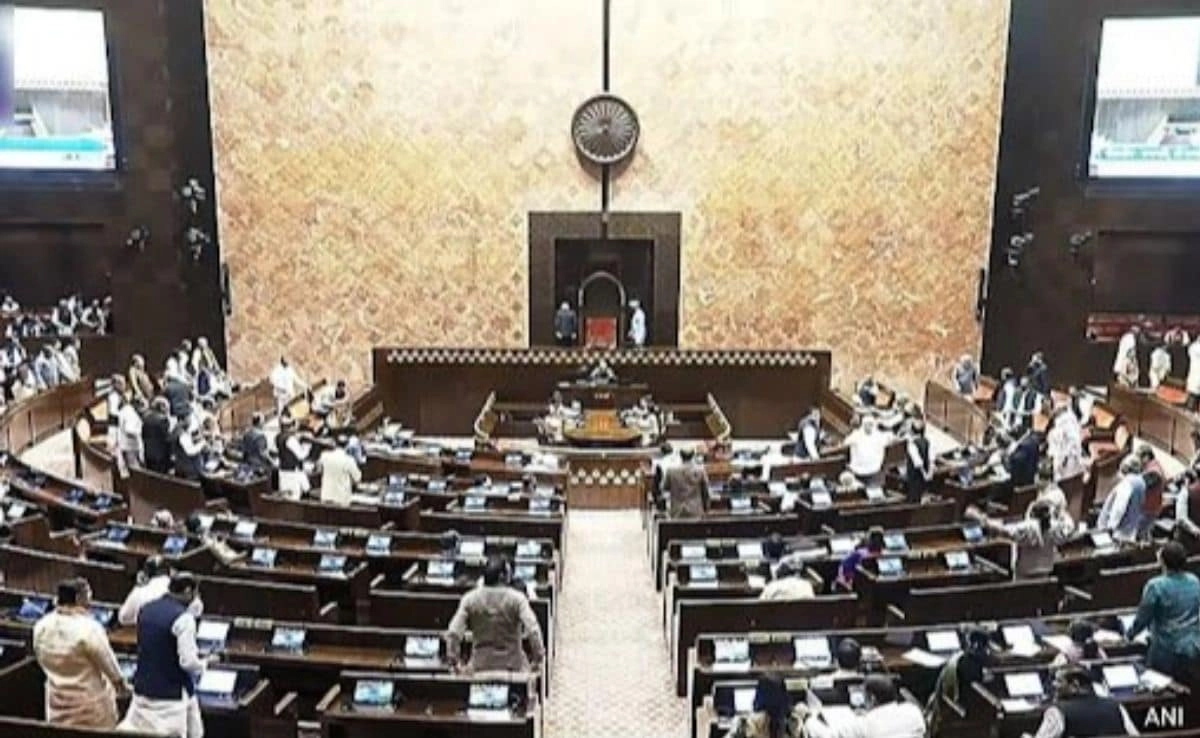
During the ongoing Monsoon Session of Parliament, the opposition parties have directed their criticisms toward the government, focusing particularly on allegations of police brutality. This session has seen heightened tensions as various political factions demand accountability and transparency in law enforcement practices. The opposition argues that recent incidents of police violence reflect a broader issue of human rights violations and call for immediate reforms to address these concerns. They emphasize the need for the government to take a more proactive stance in safeguarding citizens’ rights, thereby fostering a more just and equitable society.
In addition, the Lok Sabha has witnessed the introduction of a significant bill aimed at combating the rampant issue of paper leaks in examinations. This anti-paper leak bill is a response to growing public outcry over corruption and malpractice in the educational system, which undermines the integrity of competitive exams. The bill seeks to implement stringent measures to deter such fraudulent activities, ensuring a fair and transparent process for all candidates. Proponents of the bill argue that it is a crucial step toward restoring public trust in the examination system and ensuring that merit prevails.
As the session unfolds, the atmosphere in Parliament is charged with debates and discussions surrounding these critical issues. The opposition’s focus on police brutality, coupled with the introduction of the anti-paper leak legislation, underscores the broader concerns regarding governance and accountability in the country. Lawmakers are expected to engage in intense discussions as they seek to address these pressing matters, highlighting the importance of legislative action in safeguarding citizens’ rights and ensuring fairness in the educational landscape. The outcomes of these debates may have lasting implications for both governance and civil liberties in the country.