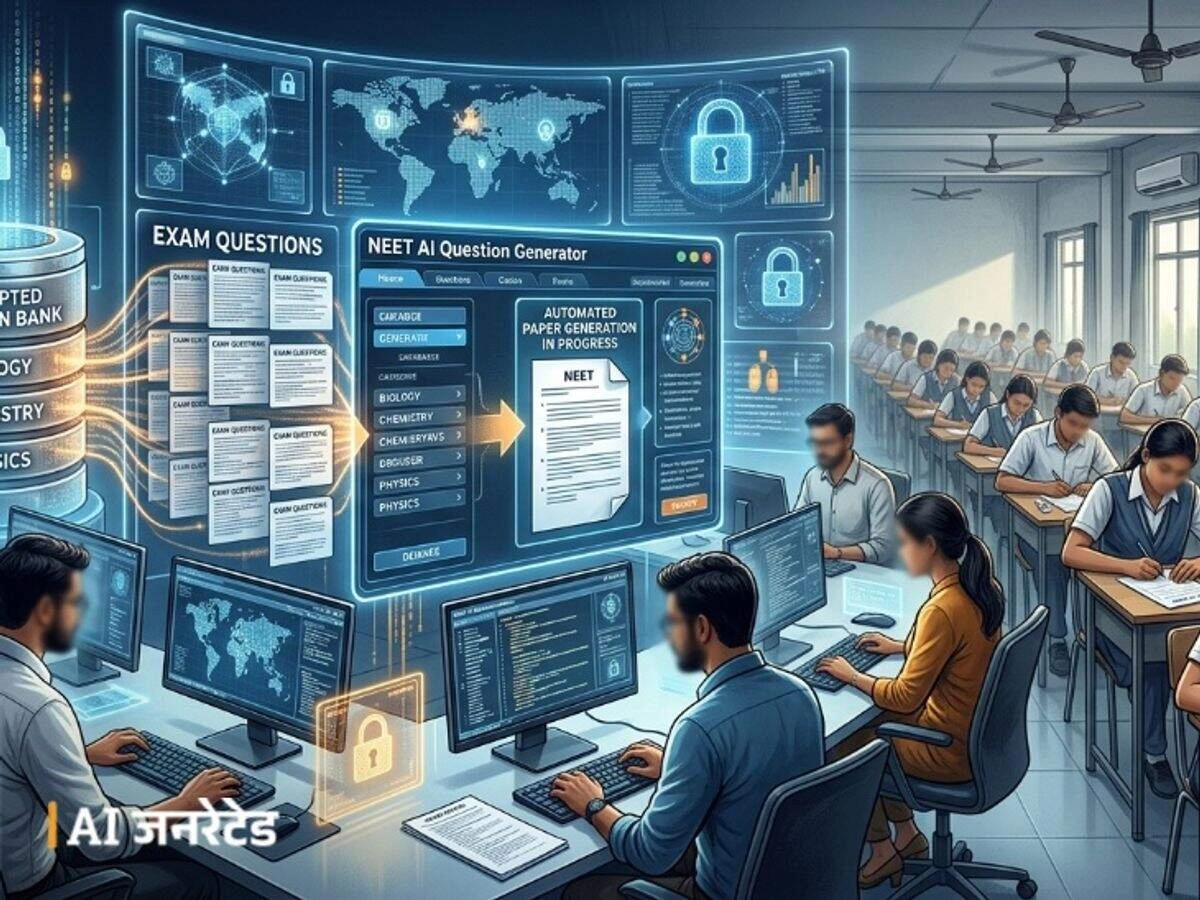
In the aftermath of the NEET paper leak, significant changes have been implemented to enhance the integrity of the examination process. The recent developments indicate that even the experts responsible for crafting the questions will be kept in the dark regarding which specific examination they are preparing for. This strategic move aims to prevent any future leaks and maintain the credibility of the National Eligibility cum Entrance Test (NEET), which is crucial for aspiring medical students across the country.
The decision to anonymize the examination preparation process reflects a serious commitment to safeguarding the examination from any form of malpractice. By ensuring that question-setters are unaware of the details of the test for which they are creating questions, the authorities hope to create a more secure and fair examination environment. This approach is expected to significantly reduce the risk of leaks and ensure that all candidates have an equal opportunity to succeed based on their knowledge and skills, rather than on any unfair advantages.
Moreover, this change is indicative of a broader trend in educational assessments aimed at enhancing transparency and trust. As educational institutions and examination bodies strive to uphold the standards of their evaluations, such measures are essential in fostering a sense of fairness among students. The integrity of competitive exams like NEET is paramount, as they play a critical role in determining the future of countless aspiring doctors.
In conclusion, the steps taken in response to the NEET paper leak represent a proactive approach to ensuring the examination’s credibility. By implementing measures that obscure the specifics of the examination from those who create the questions, the authorities are working towards building a more robust and reliable examination system. This ensures that the focus remains on merit and knowledge, ultimately benefiting the educational landscape in India.