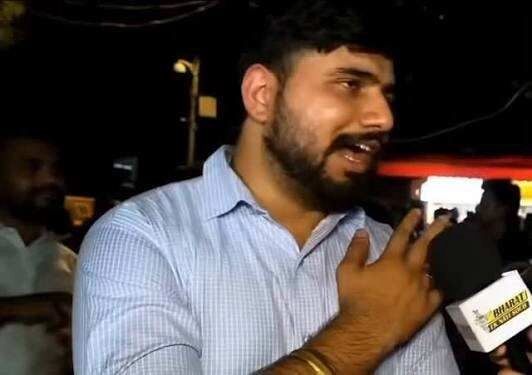
A Delhi police officer made headlines after resigning from his job and arriving at Jantar Mantar, a prominent protest site in the city, where he expressed his strong sentiments against the use of force on his own brothers. In a video that went viral, the officer passionately stated, “I cannot shoot at my brothers.” His words resonated with many, highlighting the internal conflict faced by law enforcement personnel when it comes to duties that may pit them against the very people they are meant to protect.
The officer’s act of resigning from his position to stand in solidarity with the common people is a significant statement about the current socio-political environment. His decision reflects a growing discontent among various segments of society, including those within the police force, regarding government actions or policies that they believe are unjust. By choosing to leave his job, the officer is taking a stand not only for his own beliefs but also for the rights of civilians, thereby questioning the role of law enforcement in situations of civil unrest.
This incident has sparked discussions across social media platforms, with many people supporting the officer’s decision and calling for reforms within the police force. The viral video has become a rallying point for those advocating for justice and equality, emphasizing the need for empathy and understanding between law enforcement and the communities they serve. It raises important questions about the responsibilities of police officers and their duty to uphold justice while also considering the moral implications of their actions.
Furthermore, the officer’s resignation and protest at Jantar Mantar serve as a reminder of the potential for change from within the system. It illustrates how individuals can choose to prioritize their principles over their professional obligations, ultimately seeking to inspire others to reflect on their own roles in society. Through his actions, he has opened up a dialogue about the relationship between authority and the people, challenging both citizens and law enforcement to engage in constructive conversations for a better future.