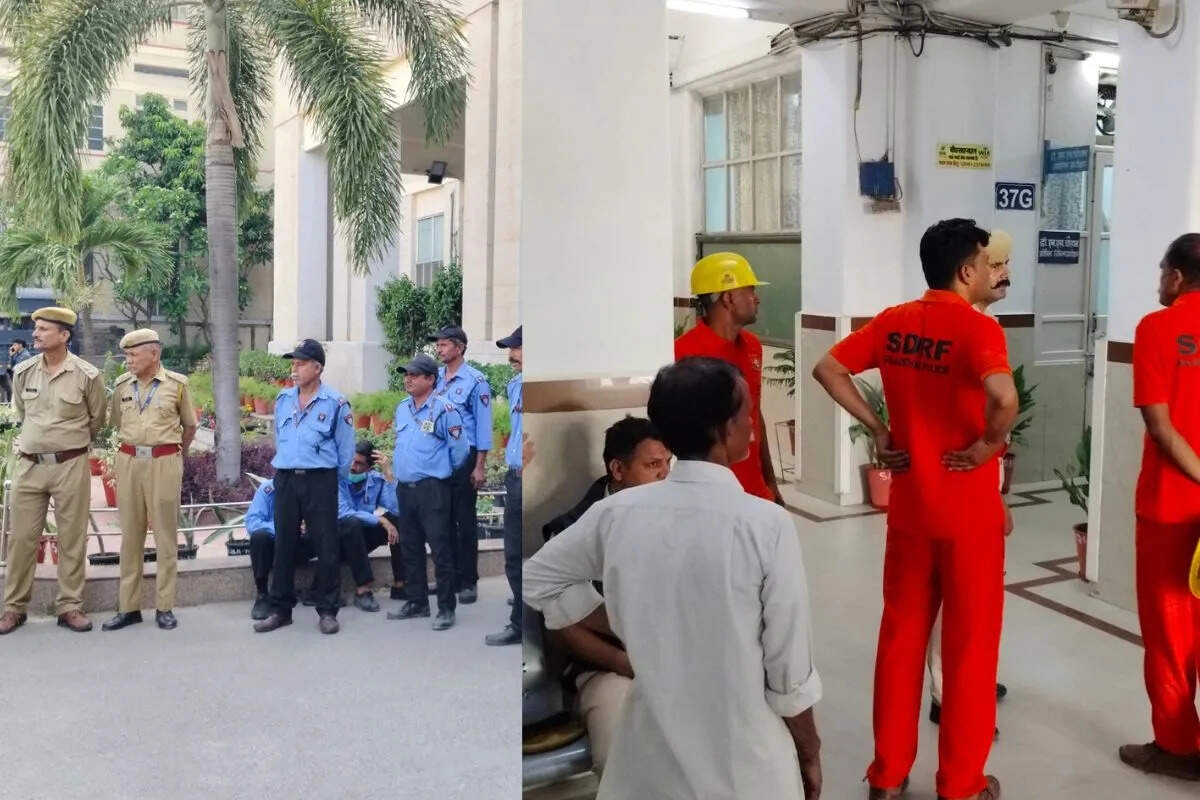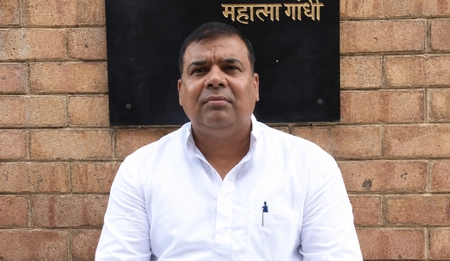
In Madhya Pradesh, Congress legislator Pankaj Upadhyay has taken a stand by staging a protest outside the state assembly. This demonstration is a significant expression of dissent regarding the operational methods and functioning of the current government. Upadhyay, along with other party members, has raised pertinent questions aimed at the governance and decision-making processes employed by the ruling party.
The protest highlights the concerns of the opposition regarding various issues that they believe are affecting the welfare of the citizens. By taking this step, Upadhyay aims to draw attention to what he perceives as a lack of transparency and accountability within the government’s operations. The assembly has often been a platform for such protests, where lawmakers voice their grievances and hold discussions on pressing matters, but this particular demonstration underscores the growing tensions between the ruling party and the opposition.
Furthermore, the assembly’s environment has been charged with political discourse, with members debating the effectiveness of current policies and their impact on the public. Upadhyay’s initiative could be seen as a rallying point for other legislators who share similar concerns about the administration. The move not only reflects the internal dynamics of political parties in Madhya Pradesh but also emphasizes the role of opposition in a democratic setup, where questioning the government’s actions is a fundamental right and responsibility.
As the situation unfolds, it will be interesting to see how this protest influences the ongoing political landscape in Madhya Pradesh, and whether it prompts a response from the government regarding the issues raised by Upadhyay and his fellow Congress members. The outcome of such protests can often have far-reaching implications for governance and the political climate in the state.