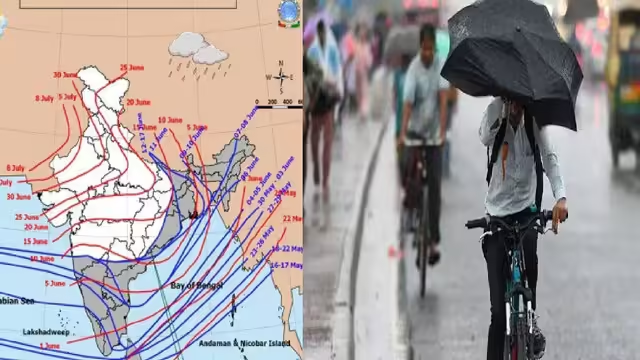
The monsoon has been moving at a slower pace recently, particularly since June 8, when it has been stagnant over Telangana. This delay in the monsoon’s arrival can significantly impact agricultural activities, water resources, and overall weather patterns in the region. Farmers are particularly concerned about the timely arrival of rains, as they rely on the monsoon for the irrigation of their crops. The sluggish progress of the monsoon can lead to drought-like conditions if it does not pick up in the coming weeks.
In addition to the situation in Telangana, there are implications for North India as well. The monsoon is expected to reach this region later than anticipated, which could affect various states known for their agricultural output. The delay could result in uneven rainfall, leading to concerns about crop yields and food security. Furthermore, the weather patterns in North India are closely linked to the monsoon’s behavior, so any changes in its trajectory can have cascading effects on the climate and economy.
Weather experts are closely monitoring the situation and providing updates on the expected rainfall patterns. The hope is that the monsoon will regain its momentum soon and deliver much-needed rains to all affected areas. As the situation develops, it remains crucial for farmers and authorities to stay informed and prepared for any changes in weather conditions that could arise in the coming weeks. The monsoon is not just a seasonal phenomenon; it is a lifeline for millions who depend on it for their livelihoods and sustenance.