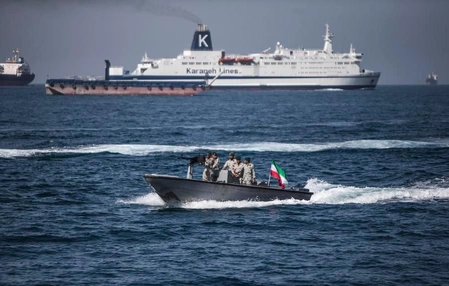
Iran has made a significant decision regarding maritime navigation in the strategically important Strait of Hormuz. The Iranian government has announced that it will not impose any tolls or fees on ships passing through this vital waterway for a period of 60 days. This move is likely to have far-reaching implications for international shipping and trade, particularly for countries that rely heavily on the oil and gas exports that transit through the Strait.
The Strait of Hormuz is a narrow passage that connects the Persian Gulf to the Gulf of Oman and is one of the most crucial chokepoints in global energy trade. Approximately one-fifth of the world’s oil supply passes through this strait, making it a focal point for geopolitical tension and economic interests. By waiving the fees for two months, Iran aims to encourage more maritime traffic and potentially boost its own economy, which has faced difficulties due to sanctions and other international pressures.
This decision also serves as a strategic maneuver in the context of regional politics and Iran’s relations with other countries. By facilitating easier passage for ships, Iran may be attempting to strengthen its influence in the region and showcase its willingness to cooperate with international shipping interests. However, this gesture may also be viewed with skepticism by other nations, especially those that have been critical of Iran’s maritime practices and its broader geopolitical ambitions.
Overall, Iran’s announcement to forgo tolls for ships in the Strait of Hormuz for the next two months could have significant implications for trade routes, energy prices, and international relations in the region. As global economies continue to navigate the complexities of supply chains and energy dependencies, this decision will likely be closely monitored by various stakeholders, including shipping companies, oil producers, and governments around the world.