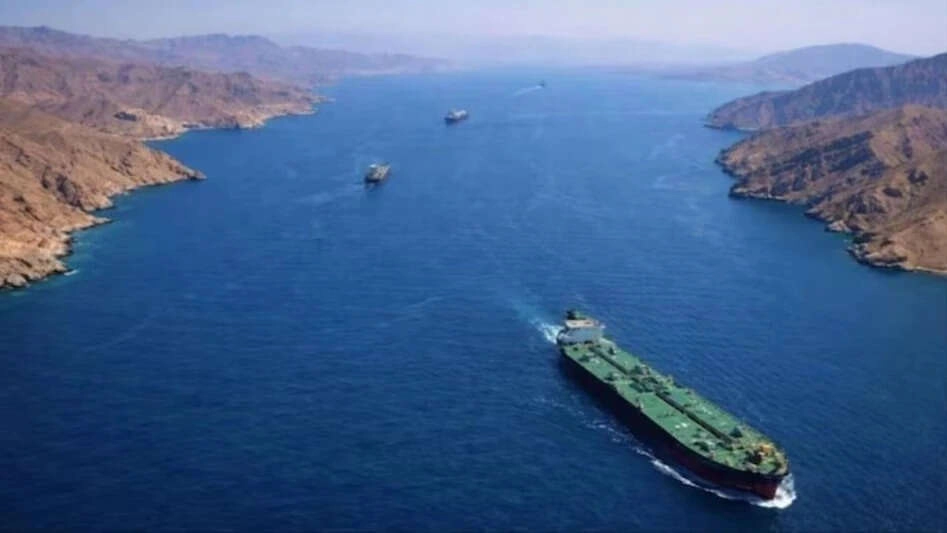
Iran has recently implemented a significant shift in its approach to managing the Strait of Hormuz, a critical waterway for global oil transportation. Instead of imposing traditional tolls on vessels passing through this strategic passage, the Iranian government has introduced an environmental tax aimed at promoting sustainability and addressing ecological concerns. This new strategy not only reflects Iran’s commitment to environmental stewardship but also serves as a diplomatic maneuver in its ongoing negotiations with the United States.
The environmental tax initiative can be seen as part of Iran’s broader strategy to reframe its international dealings, particularly in the context of its relations with the U.S. By aligning its maritime policy with global environmental standards, Iran seeks to present itself as a responsible actor on the world stage. This approach may also provide leverage in negotiations surrounding nuclear agreements and economic sanctions, as it positions Iran favorably in discussions about climate change and environmental protection.
Moreover, this shift in policy could have significant implications for global shipping and oil markets. The introduction of an environmental tax may encourage other nations to adopt similar measures, leading to a collective effort to address the environmental impact of maritime transportation. As countries face increasing pressure to combat climate change, Iran’s innovative strategy may inspire a reevaluation of how maritime activities are regulated and funded. Ultimately, Iran’s move could reshape not only its economic landscape but also the geopolitical dynamics of the region, particularly in relation to its interactions with the United States and other global powers.