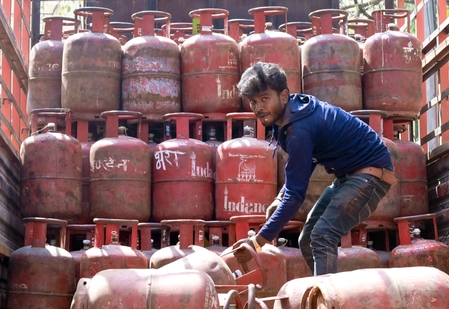
An Indian LPG tanker is currently waiting in line to pass through the strategically important Strait of Hormuz, a vital maritime corridor that connects the Persian Gulf with the Gulf of Oman. This strait is known for its significance in global oil transportation, as a substantial portion of the world’s oil supply passes through this narrow passage. In recent developments, Iran has assured the safe passage of the Indian tanker through these waters, which have been a focal point of geopolitical tensions and conflicts.
The assurance from Iran comes at a time when maritime security in the region is under scrutiny, with various incidents involving naval vessels and oil tankers. Iran’s commitment to providing safe navigation for the Indian tanker highlights the importance of diplomatic relations and cooperation between the two nations. It also underscores the broader implications for energy security, not just for India but for the global economy, which heavily relies on the uninterrupted flow of oil and gas.
The Strait of Hormuz is a crucial chokepoint, where any disruption can have far-reaching consequences. India, as one of the largest consumers of LPG, is keen to ensure that its energy supply remains stable and secure. The safe passage of this tanker reflects the ongoing efforts by India to maintain strong energy ties with Iran, despite the complex political landscape and sanctions that may affect trade relations. This situation illustrates the delicate balance between ensuring energy security and navigating international diplomatic waters.