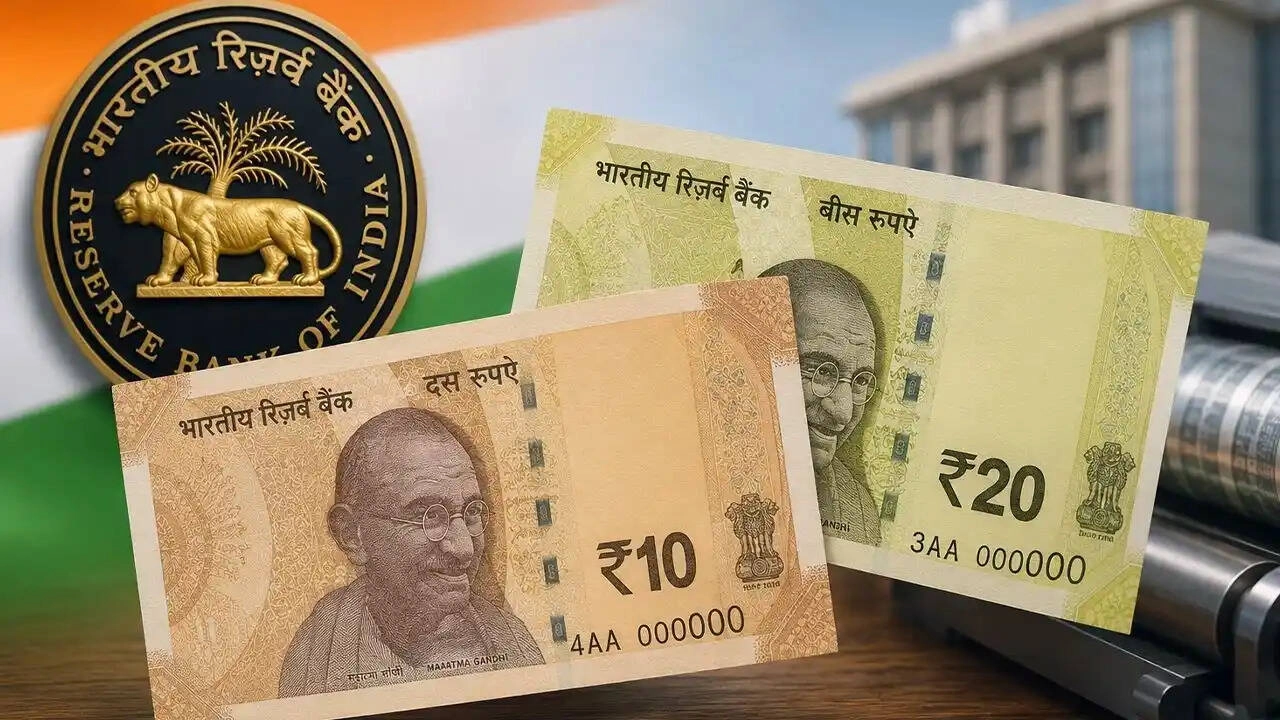
India is set to witness a significant transformation in its currency notes, particularly with the introduction of plastic notes in the ₹10 and ₹20 denominations. The government has officially granted approval for these new plastic notes, marking a progressive step in the country’s currency management system. This move aims to enhance the durability and security of banknotes, addressing issues related to wear and tear that affect traditional paper notes.
The introduction of plastic currency is not just a matter of aesthetics; it also serves practical purposes. Plastic notes are more resistant to water and dirt, making them last longer than their paper counterparts. Additionally, they are more secure, as they incorporate advanced features that make counterfeiting more difficult. This upgrade is expected to streamline the currency circulation process and contribute to a more efficient banking system.
As for when these plastic notes will be officially implemented, the government is expected to provide a timeline soon. The rollout may take place in phases, with initial distributions in select regions before a nationwide introduction. This careful approach will allow the government to monitor the transition and address any concerns that may arise among the public and businesses. The shift to plastic notes could signify a broader trend towards modernization in India’s financial landscape, paving the way for future innovations in currency and banking practices.