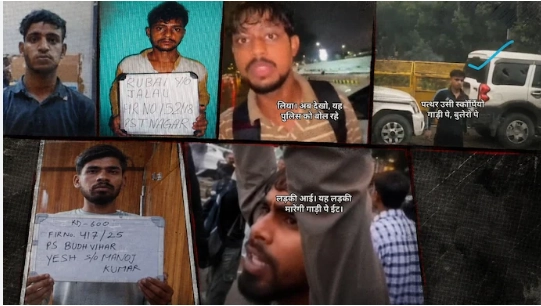
Police have identified more than 2,800 individuals classified as “criminals” who were reportedly present at the recent protest organized by the Citizens for Justice and Peace (CJP) at Jantar Mantar. This protest drew attention due to its scale and the significant presence of law enforcement. The police have been scrutinizing the participants, leading to the identification of these individuals based on various criteria, including previous criminal records and their involvement in past protests.
The CJP protest aimed to address pressing social issues and advocate for justice and peace in the community. However, the police’s characterization of a substantial number of attendees as criminals raises questions about the right to protest and freedom of expression. Critics of the police’s actions argue that labeling peaceful protesters as criminals could have a chilling effect on civil society and discourage individuals from voicing their concerns about injustices and societal issues.
Authorities have stated that their actions are part of a broader effort to maintain law and order during public demonstrations. Nevertheless, the identification of such a large number of individuals as criminals has sparked debates about the balance between security and the fundamental rights of citizens. As discussions continue, many are calling for a clearer understanding of what constitutes criminal behavior in the context of protests and for greater protections for individuals exercising their democratic rights. The situation remains fluid, with ongoing dialogues among community leaders, activists, and law enforcement agencies about the implications of these findings.