Haratalaika Teej is a significant festival celebrated primarily in northern India, particularly by women. In 2026, this auspicious occasion will be observed on September 7. The festival holds great importance for married women who observe a day-long fast, praying for the well-being and longevity of their husbands. Those who are unmarried also partake in this celebration, seeking a loving and devoted partner.
The rituals associated with Haratalaika Teej are rich in tradition and symbolism. Women begin the day by taking a holy bath early in the morning, after which they adorn themselves in beautiful traditional attire, often in shades of green, symbolizing fertility and prosperity. They then prepare a special prayer setup, which includes a clay idol of Goddess Parvati, who is revered during this festival. The worship involves offering sweets, fruits, and flowers to the goddess while reciting prayers and singing devotional songs.
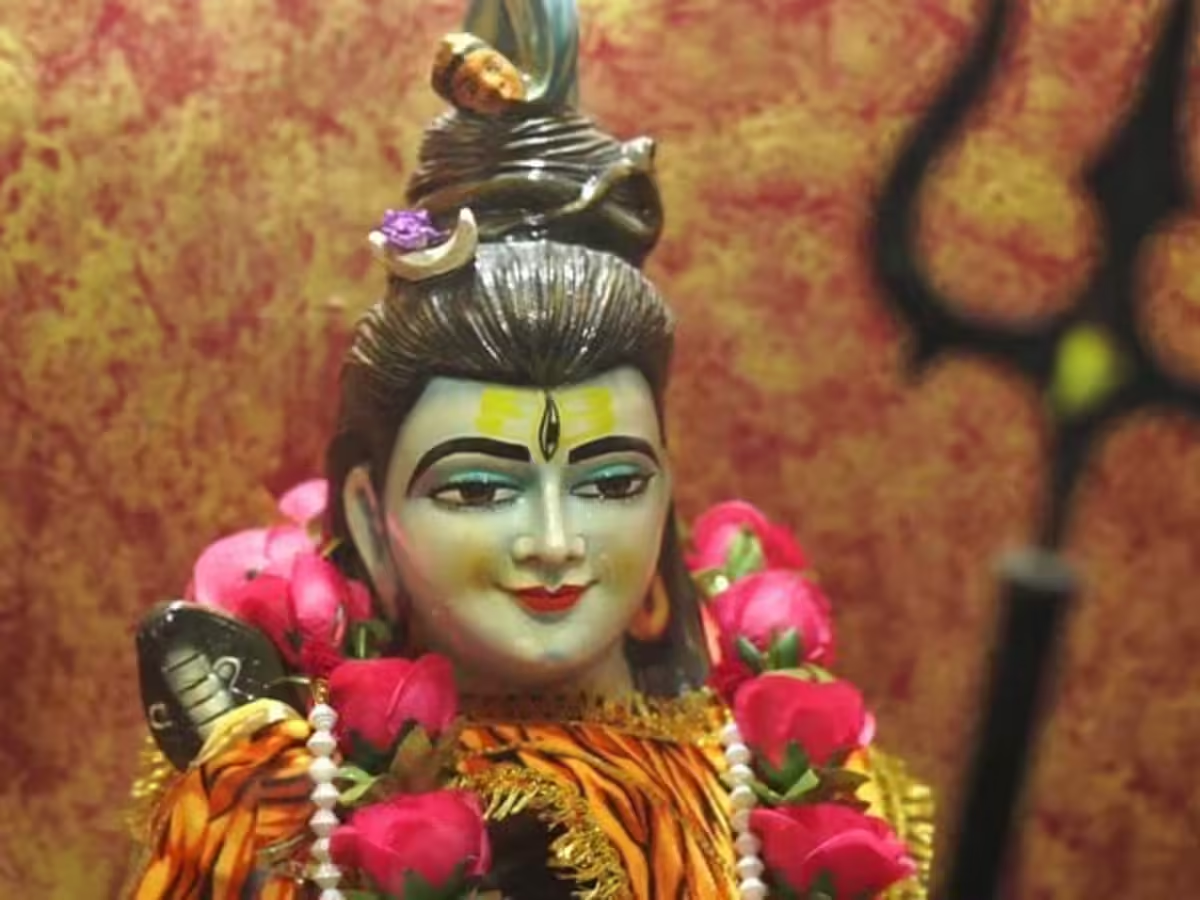
The religious significance of Haratalaika Teej lies in its connection to the legend of Goddess Parvati and Lord Shiva. According to mythology, Parvati undertook rigorous penance to win Shiva’s love and ultimately succeeded, leading to their union. This festival thus symbolizes love, devotion, and the bond between husband and wife. It serves as a reminder of the power of faith and perseverance in achieving one’s desires.
In addition to its spiritual aspects, Haratalaika Teej promotes community bonding among women. They gather to celebrate, share traditional dishes, and engage in various cultural activities, reinforcing the importance of sisterhood and support. The day is filled with joy, laughter, and the deep spiritual satisfaction that comes from devotion and observance of age-old customs. Overall, Haratalaika Teej is a beautiful blend of spirituality, tradition, and community spirit that continues to be cherished across generations.